





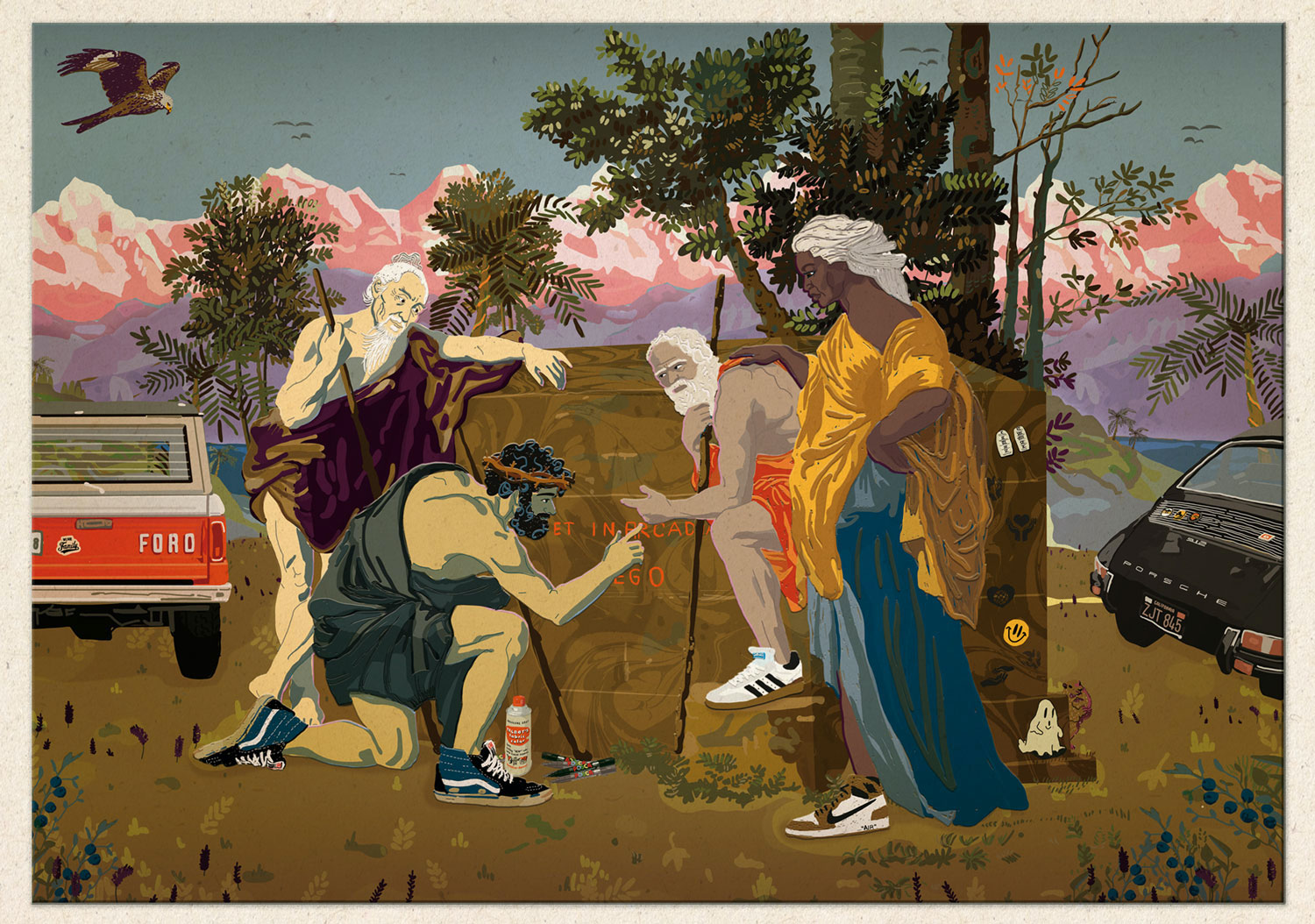
Arcadia is a contemporary reimagining of Nicolas Poussin’s enigmatic 1637–38 painting Et in Arcadia Ego (The Arcadian Shepherds).
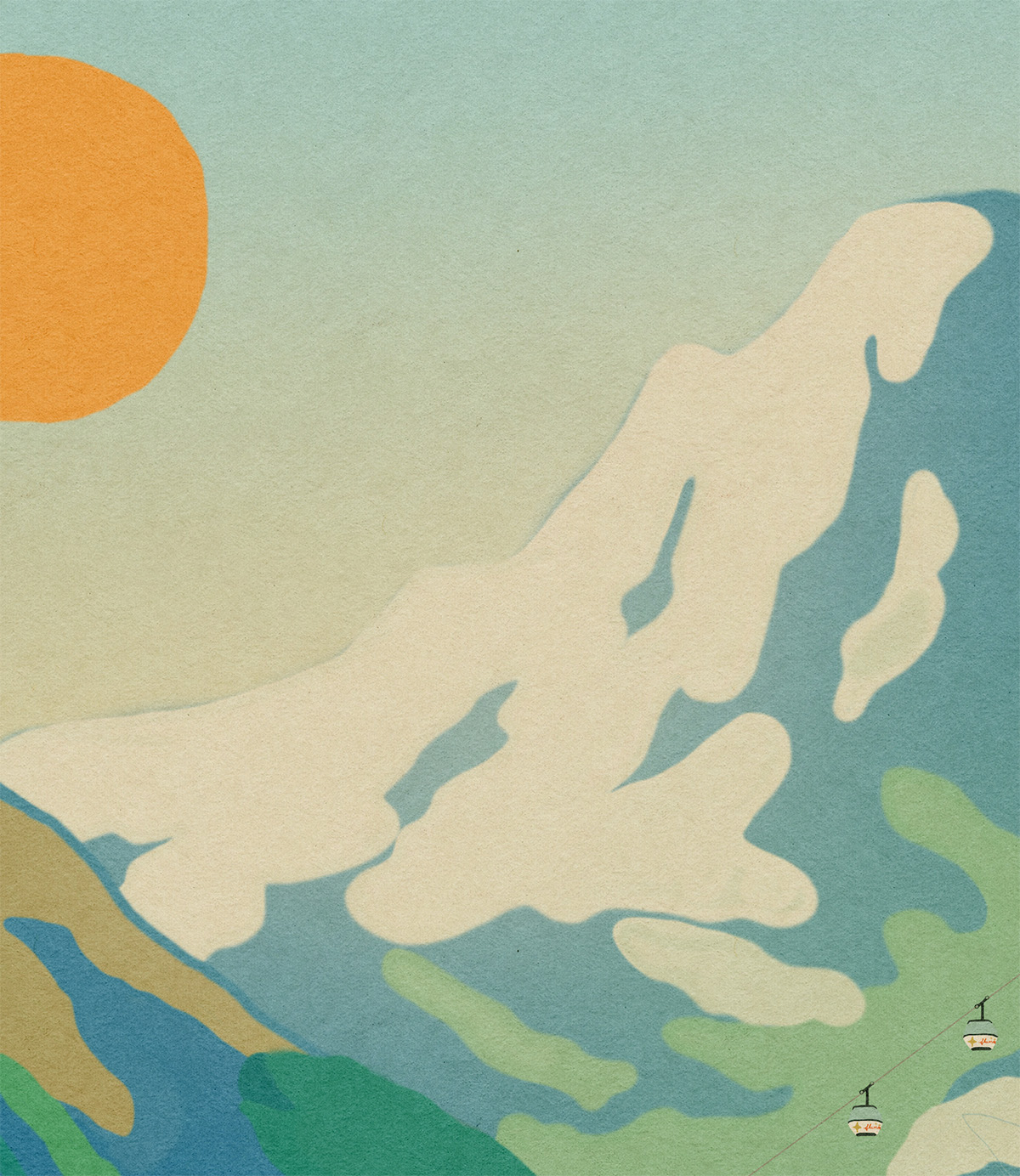
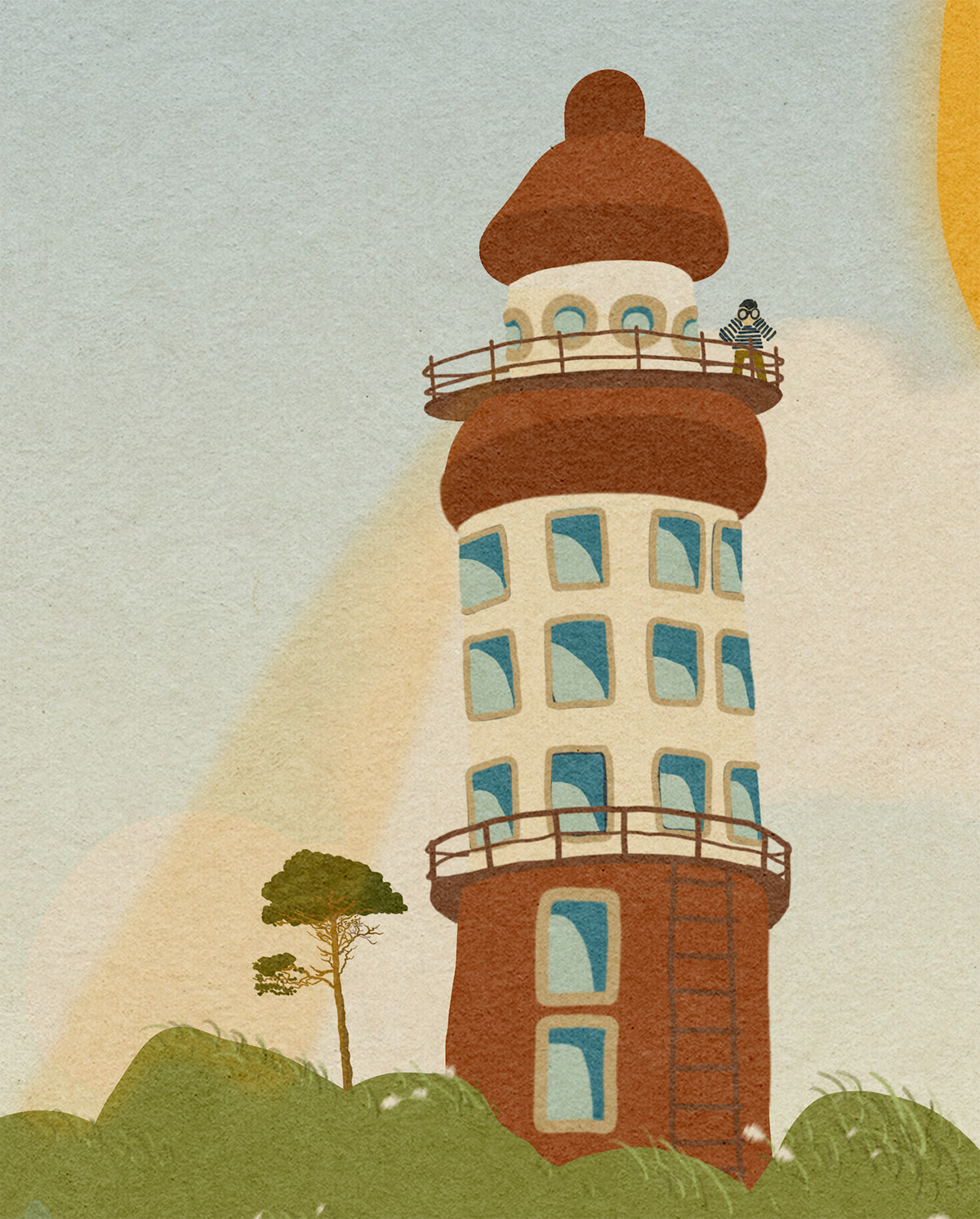
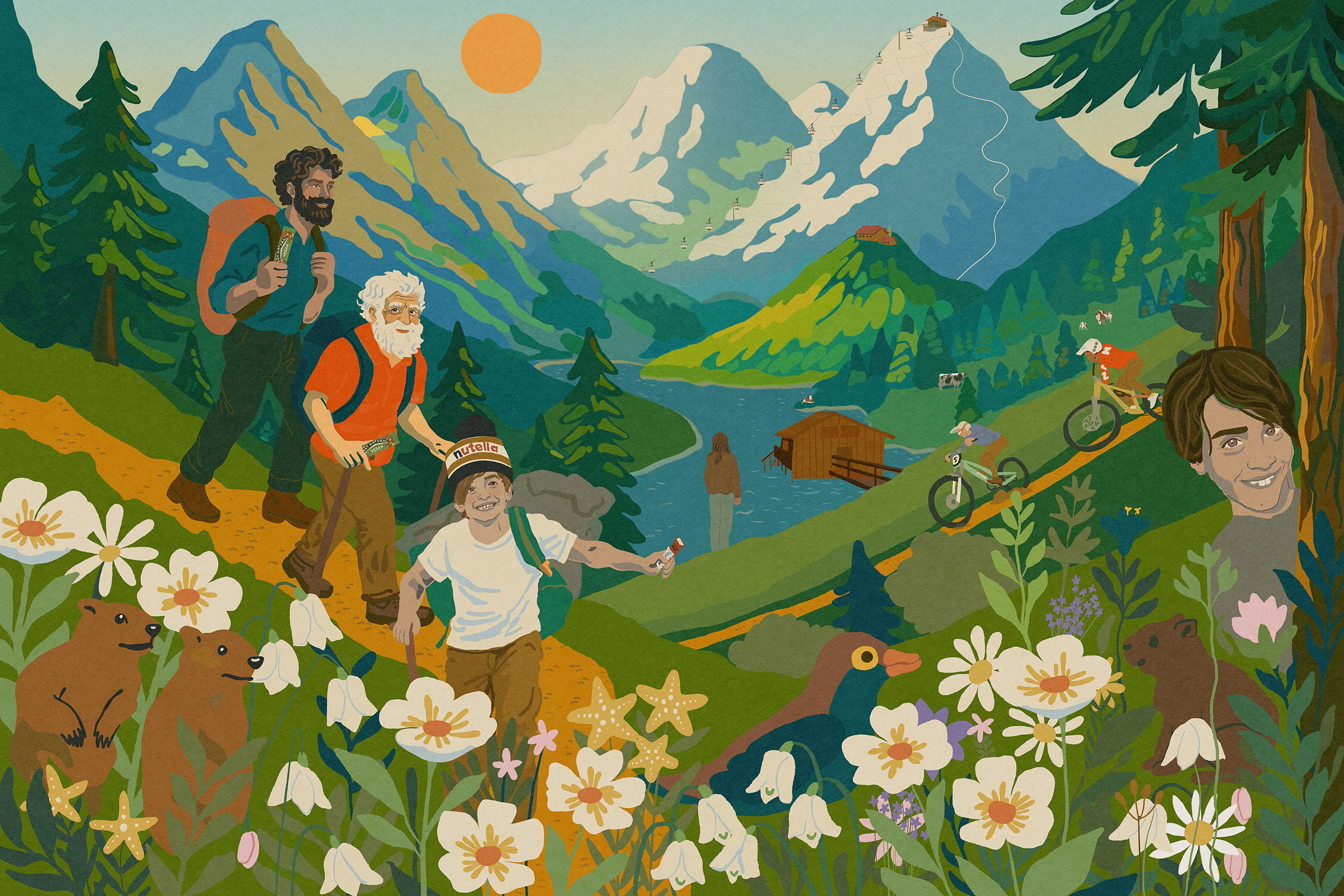
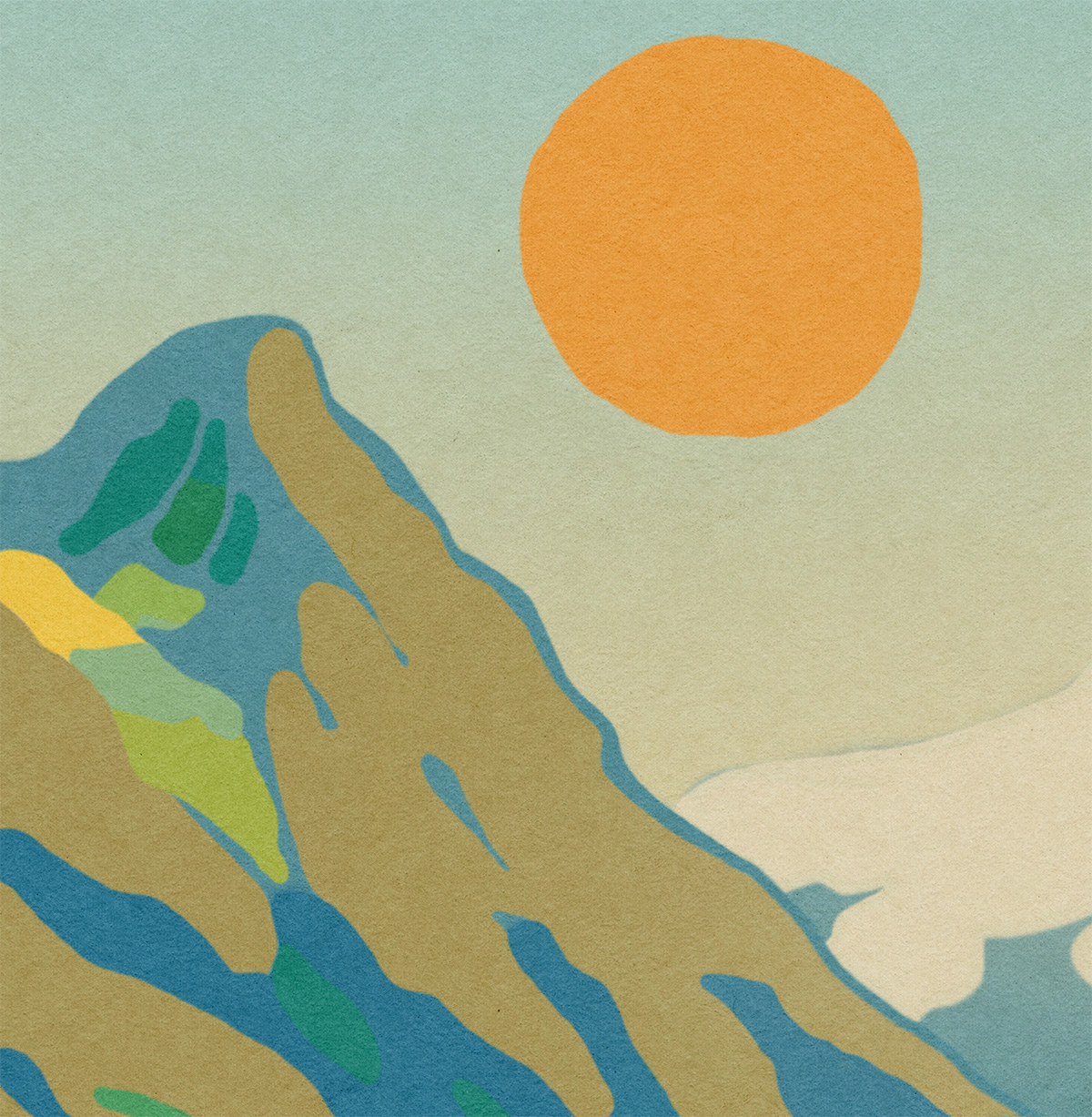
The work grew out of a conversation with my first love about Poussin’s painting—his favourite—and evolved through our ongoing exchange about paradise, love and death. Arcadia is traditionally imagined as a place of harmony with nature: an earthly paradise, untouched by civilisation. In my interpretation, Poussin’s classical landscape becomes a world of snow-capped mountains and deep-blue lakes, shaped by the Eiger, Mönch and Jungfrau—the landscape I have understood as home since childhood.
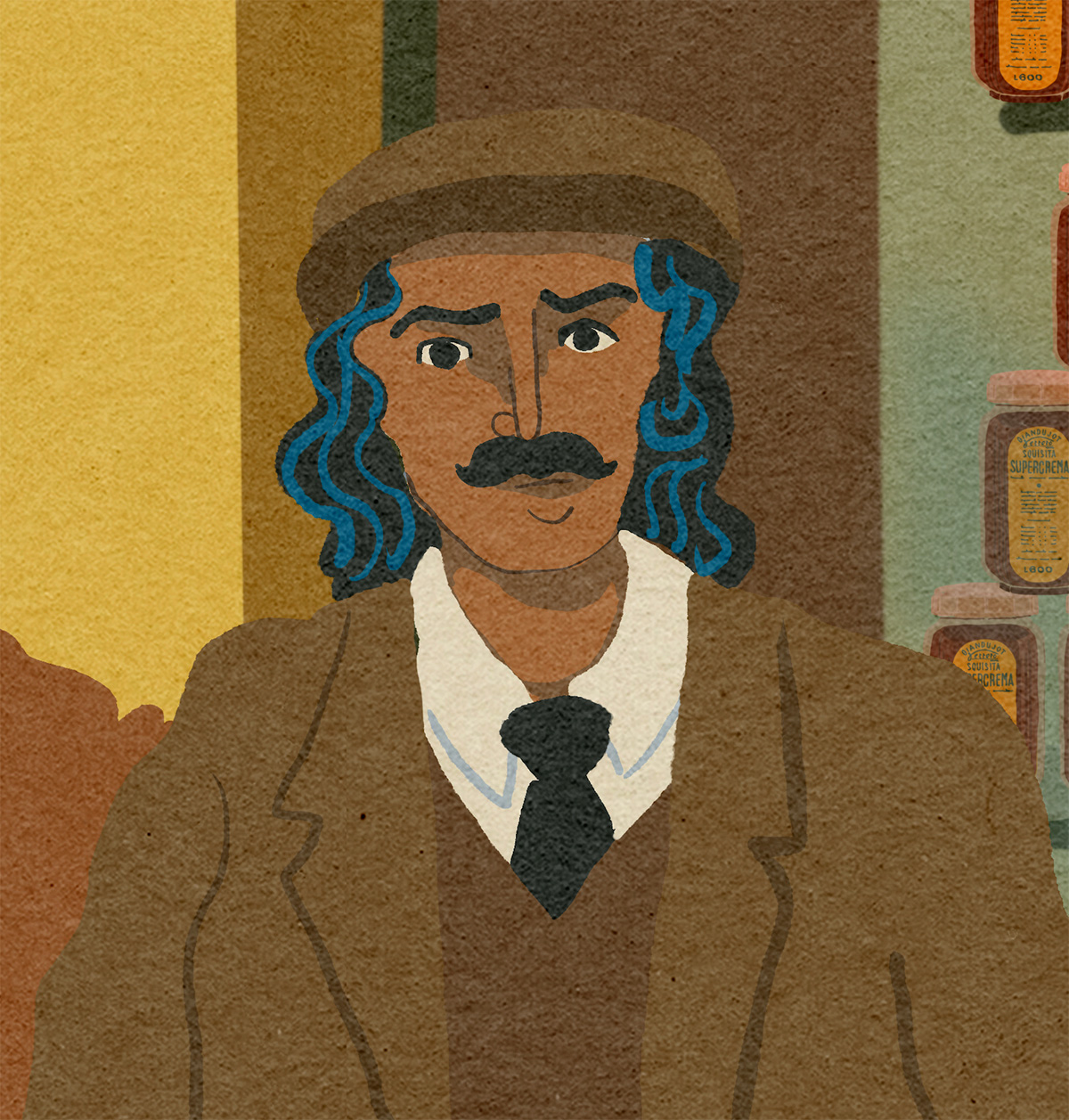
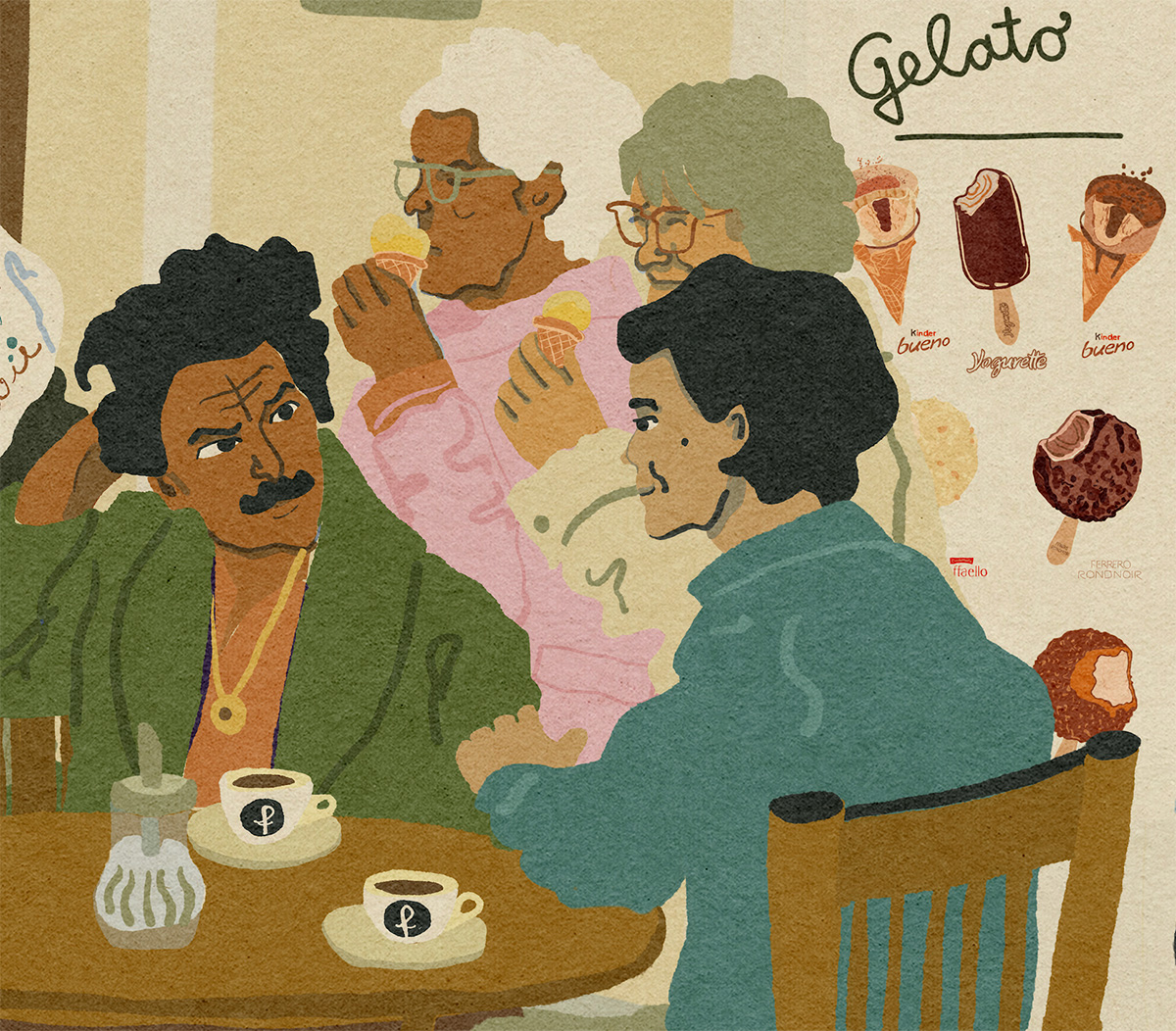
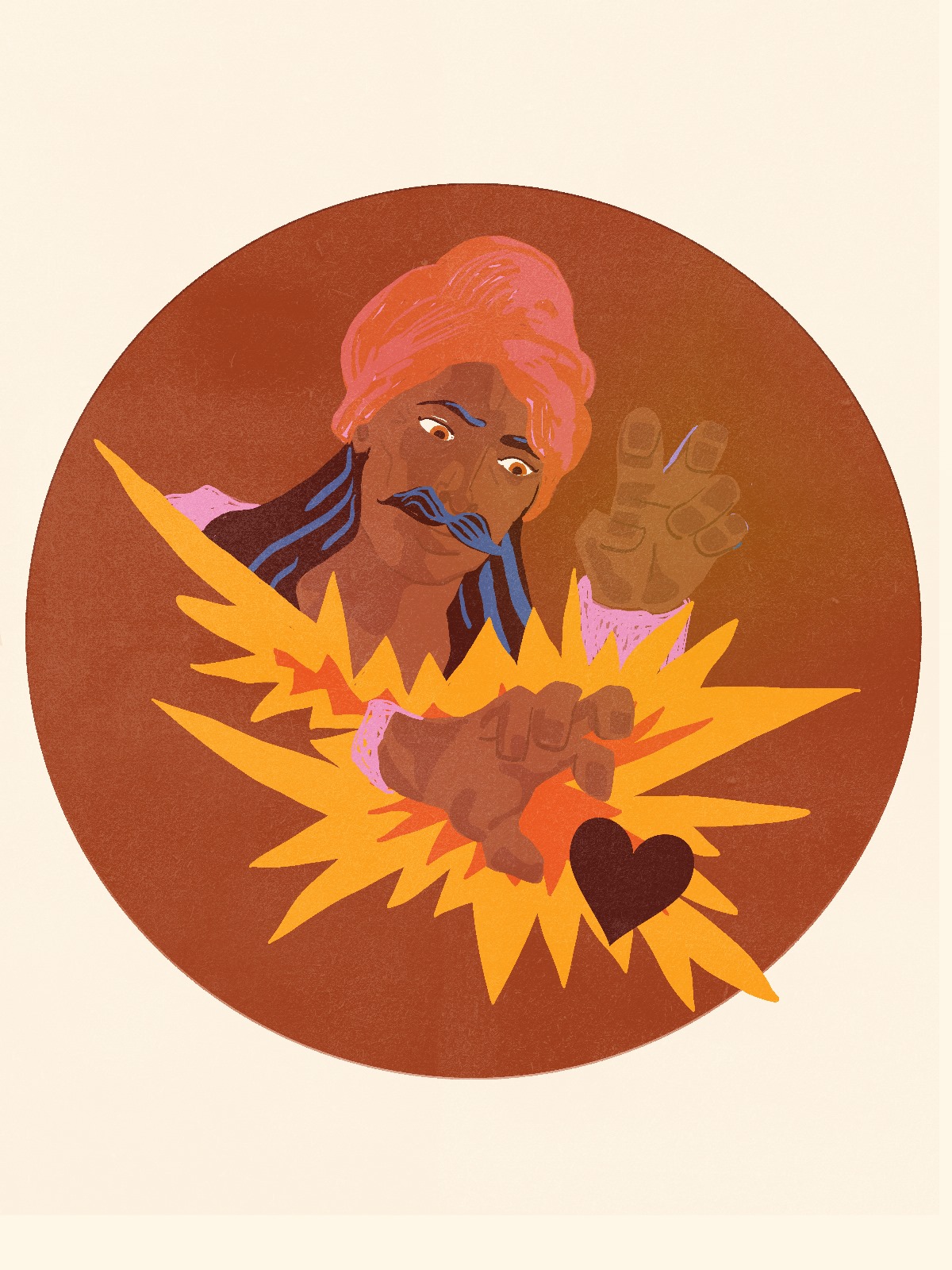
Classical figures in sneakers gather before a tomb alongside vintage cars and fragments of popular culture. Poussin’s anonymous shepherds are replaced by Jesus, Socrates, Confucius and Toni Morrison—four voices from different times and traditions, each carrying a distinct vision of what it means to live a good life. As the image begins to move, the wheel of life and death is set in motion.
The inscription on the tomb, Et in Arcadia Ego, is often understood to mean: even in paradise, death is present. The work asks what remains of paradise once we know it cannot last—or whether it becomes paradise precisely because it cannot last. Faced with the unavoidable, do we meet life with fear or with love?
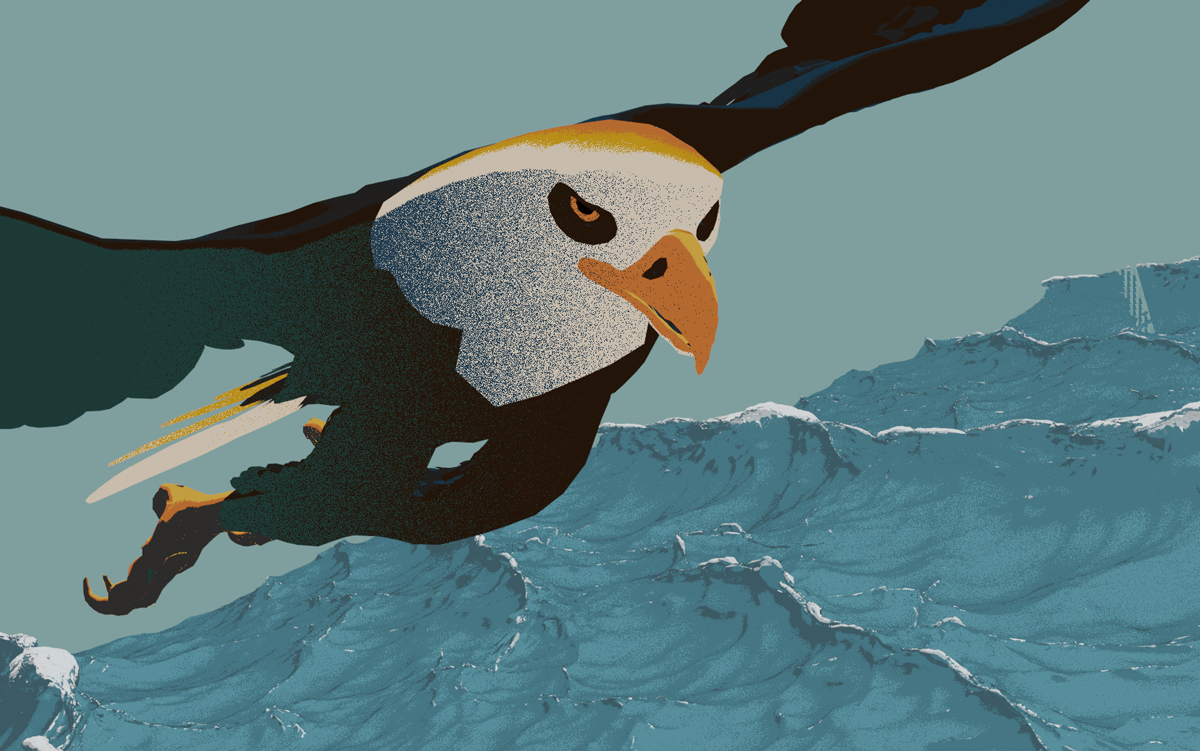
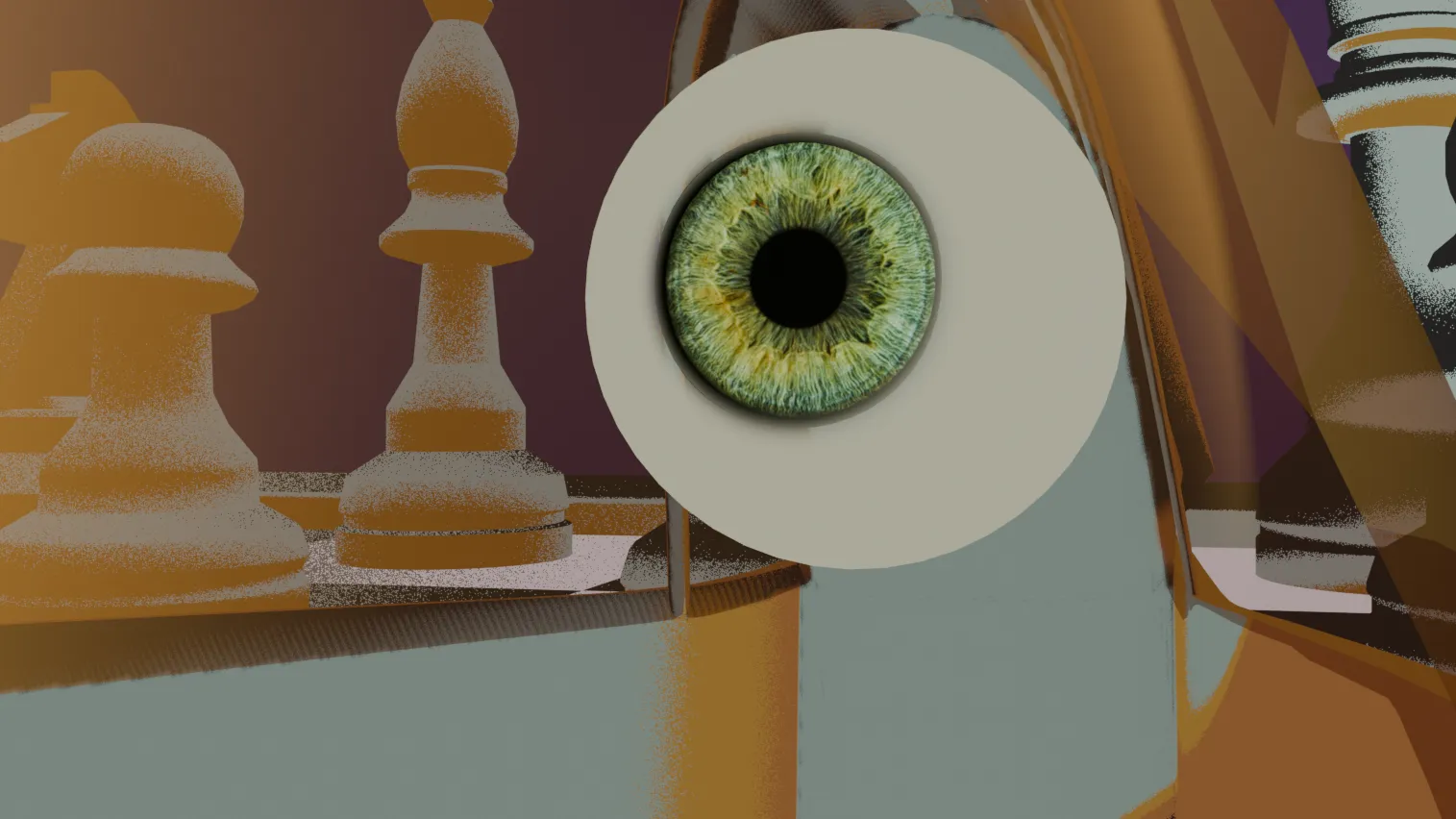
Created in 2020 as a digital painting and animation with an original soundtrack, Arcadia places my private Arcadia within a universal meditation on mortality. It brings together art history, personal memory, popular culture and timeless philosophies—ideas that have shaped our hearts and minds, but also our conflicts, for thousands of years. Strangely, some of their most powerful insights remain the easiest to overlook.
Arcadia was released as a one-of-one NFT on SuperRare.