ART
mirage
Some things must be felt
before they can be understood
life is relationship ● patterns repeat across living things ⦿ systems carry futures inside them ● a small shift can change everything ⦿ mind is not isolated in the brain ● living systems self-create ⦿ life is relationship ● patterns repeat across living things ⦿life is relationship ● patterns repeat across living things ⦿ systems carry futures inside them ● a small shift can change everything ⦿ mind is not isolated in the brain ● living systems self-create ⦿ life is relationship ● patterns repeat across living things ⦿
ART
MIRAGE
Some things must be felt
before they can be understood
Experience Mirage
Before Mirage is an argument, she is an atmosphere
Thought is a filter.
Language is a map.
Both help us perceive, distinguish and understand. But neither is reality itself.
The visual works of Mirage do not illustrate the philosophy.
They enter where philosophy can no longer travel alone.
They create conditions in which something may be felt before it is named—and another perception may become possible.
Every concept makes experience graspable by making it smaller. Every word illuminates something—and leaves something outside its frame.
Thought and language are always smaller than the living experience they attempt to contain.
And so Mirage also speaks through:
Image.
Music.
Movement.
Space.
Bodies.
Machines.
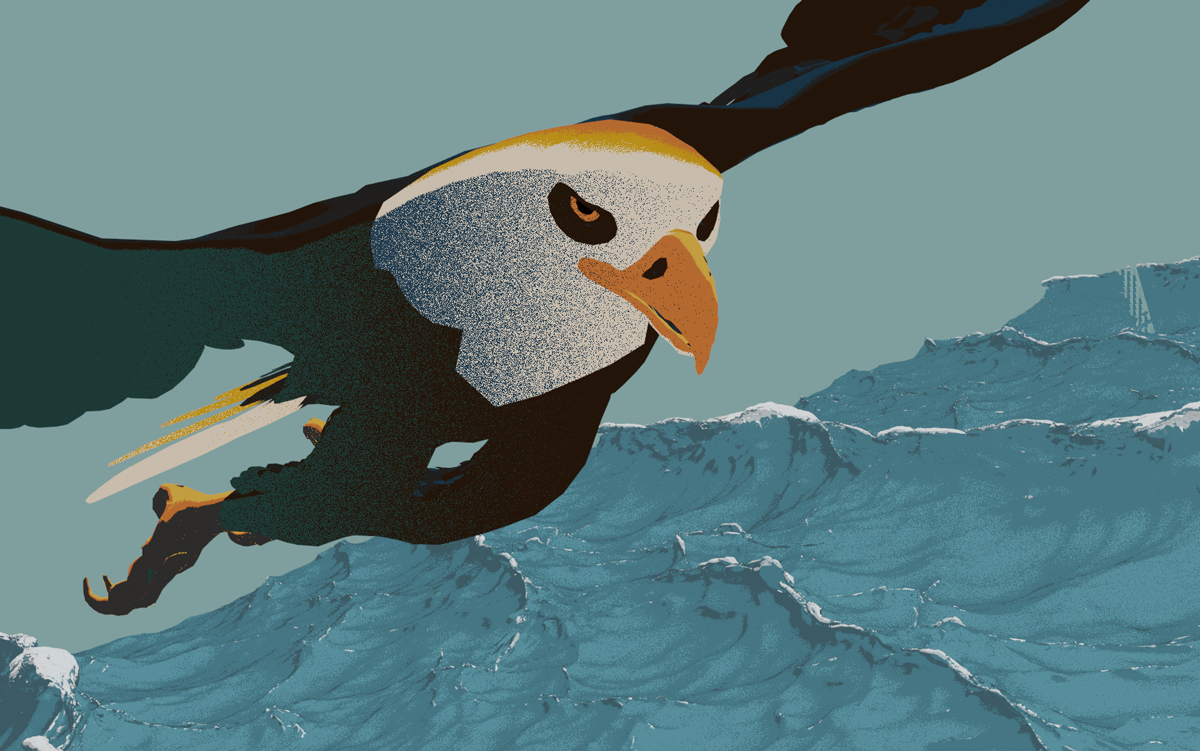
Animals.
Archetypes.
Rhythm.
Silence.
Experience Mirage
Direct Perception
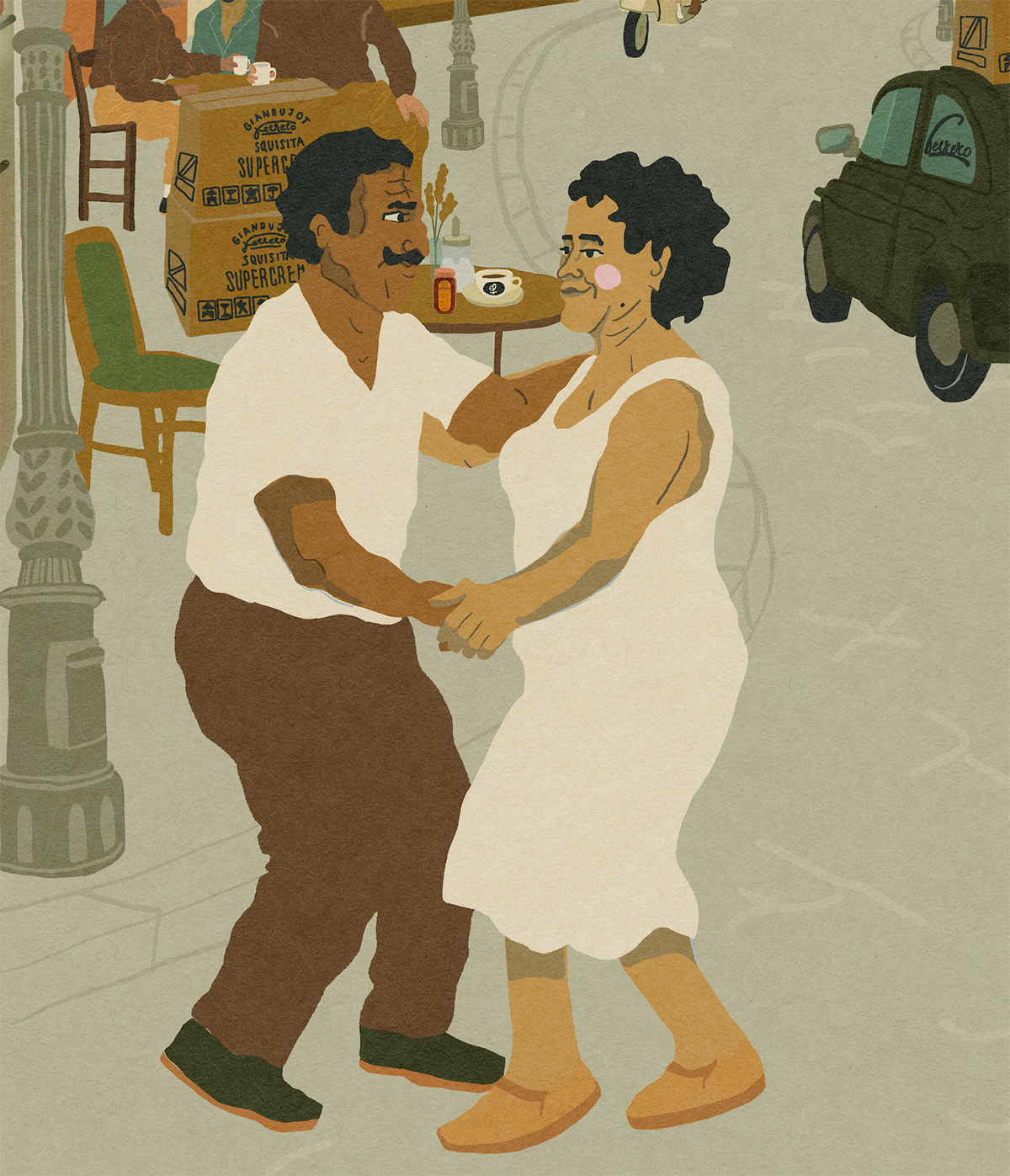
Music does not explain grief.
It creates a space in which grief can be felt.
A landscape does not explain awe.
It interrupts the scale of the self.
An image does not need to prove a worldview.
Sometimes it only needs to open a door.
The immersive world of Mirage brings together the archetypes, characters and visual mythology of the project in a hypnotic landscape of sound, rhythm and moving image.
Not a lecture.
Not an explanation.
An encounter.
Two Artistic Styles. One Threshold.
To Be Human Is to Live at the Intersection of the Material and the Immaterial
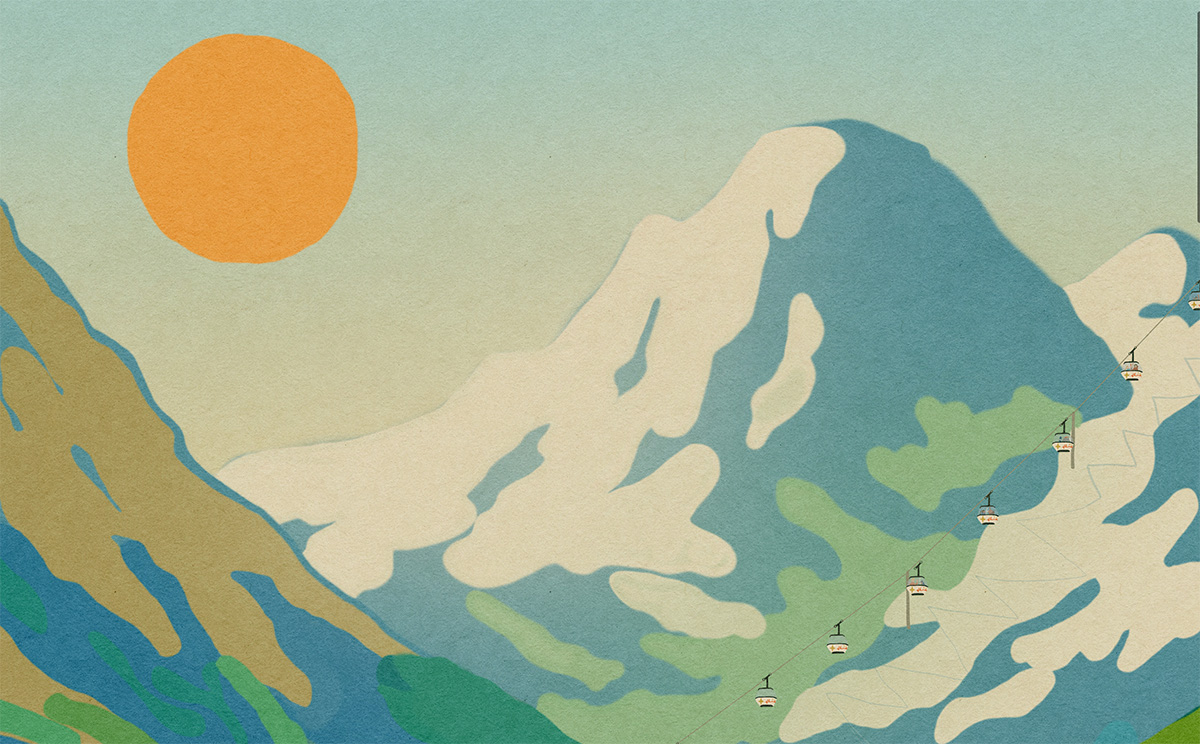
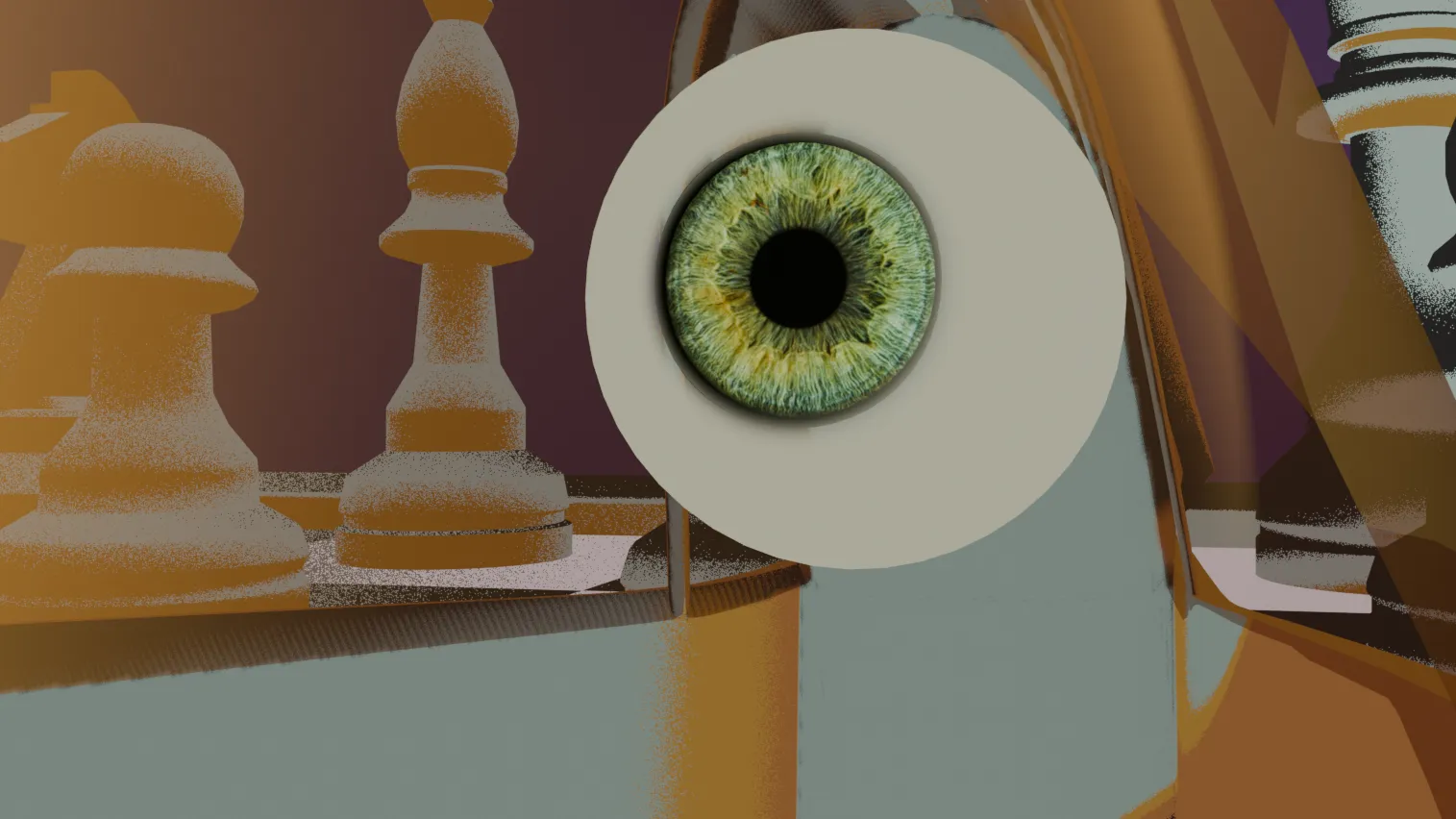
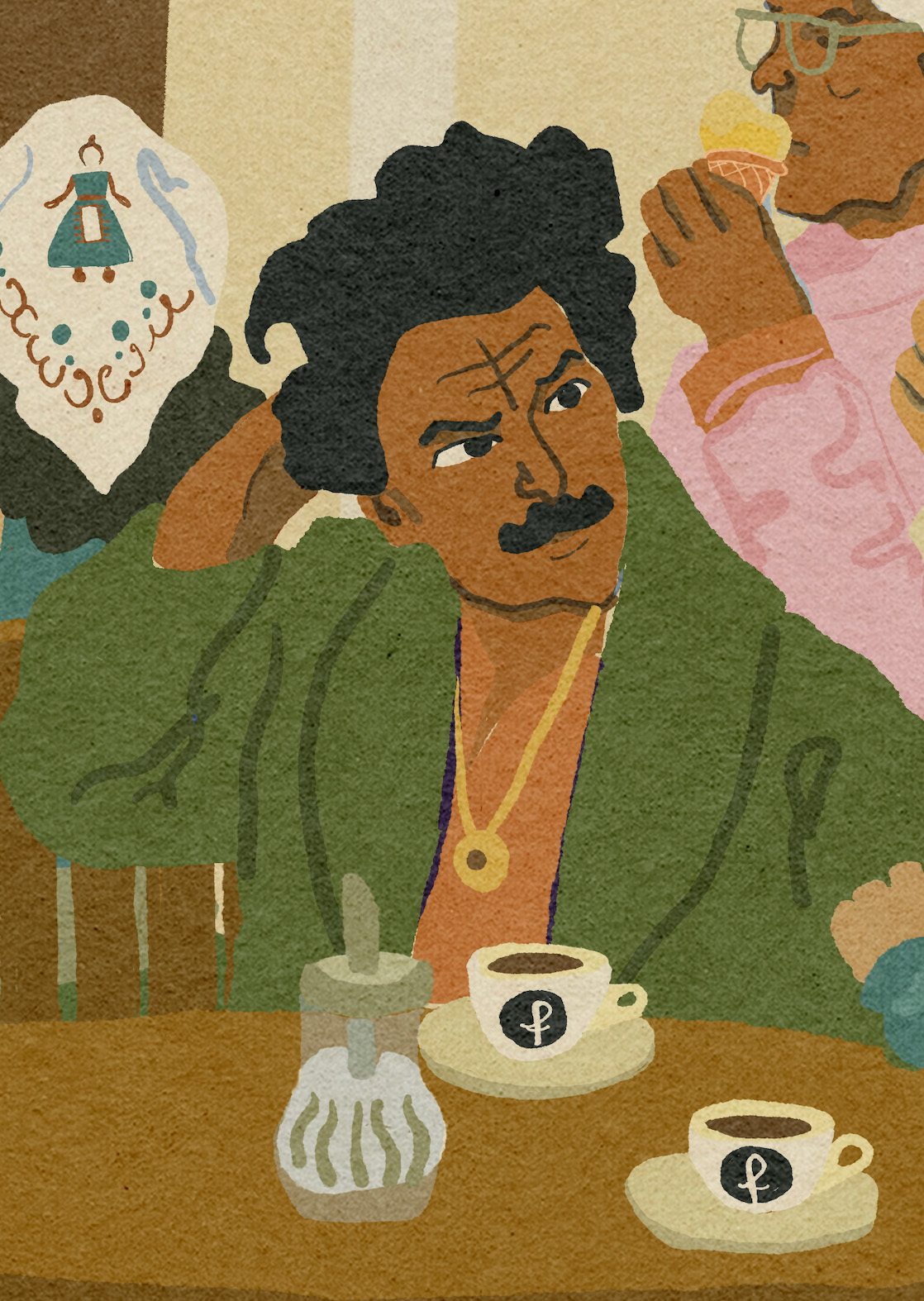
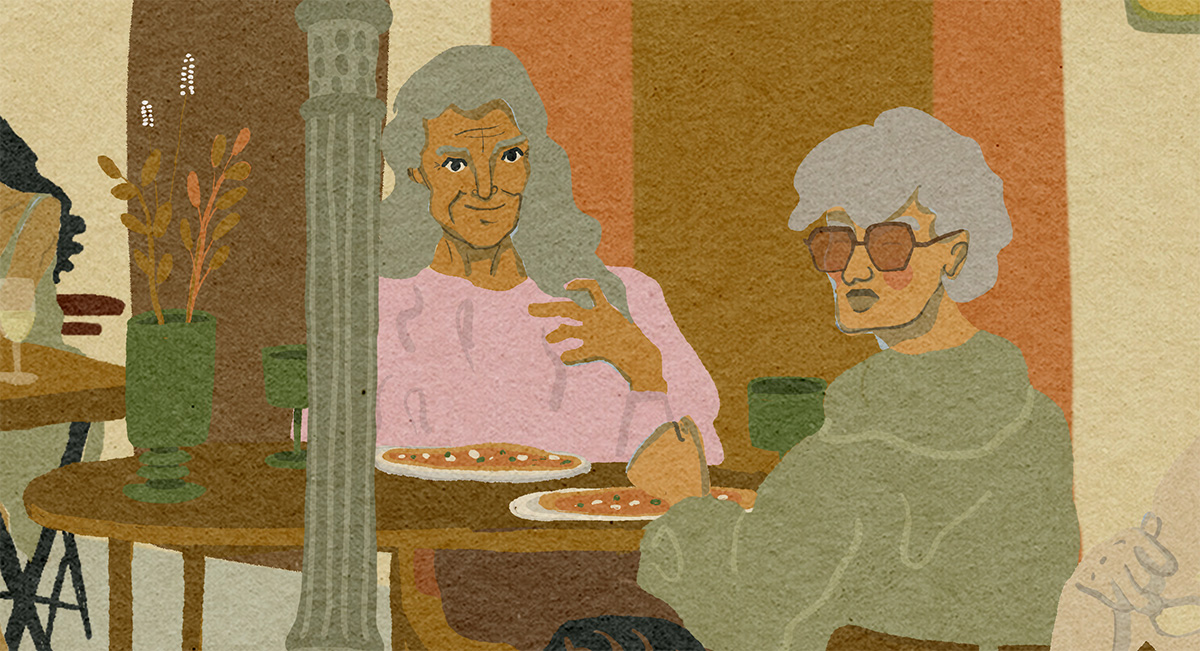
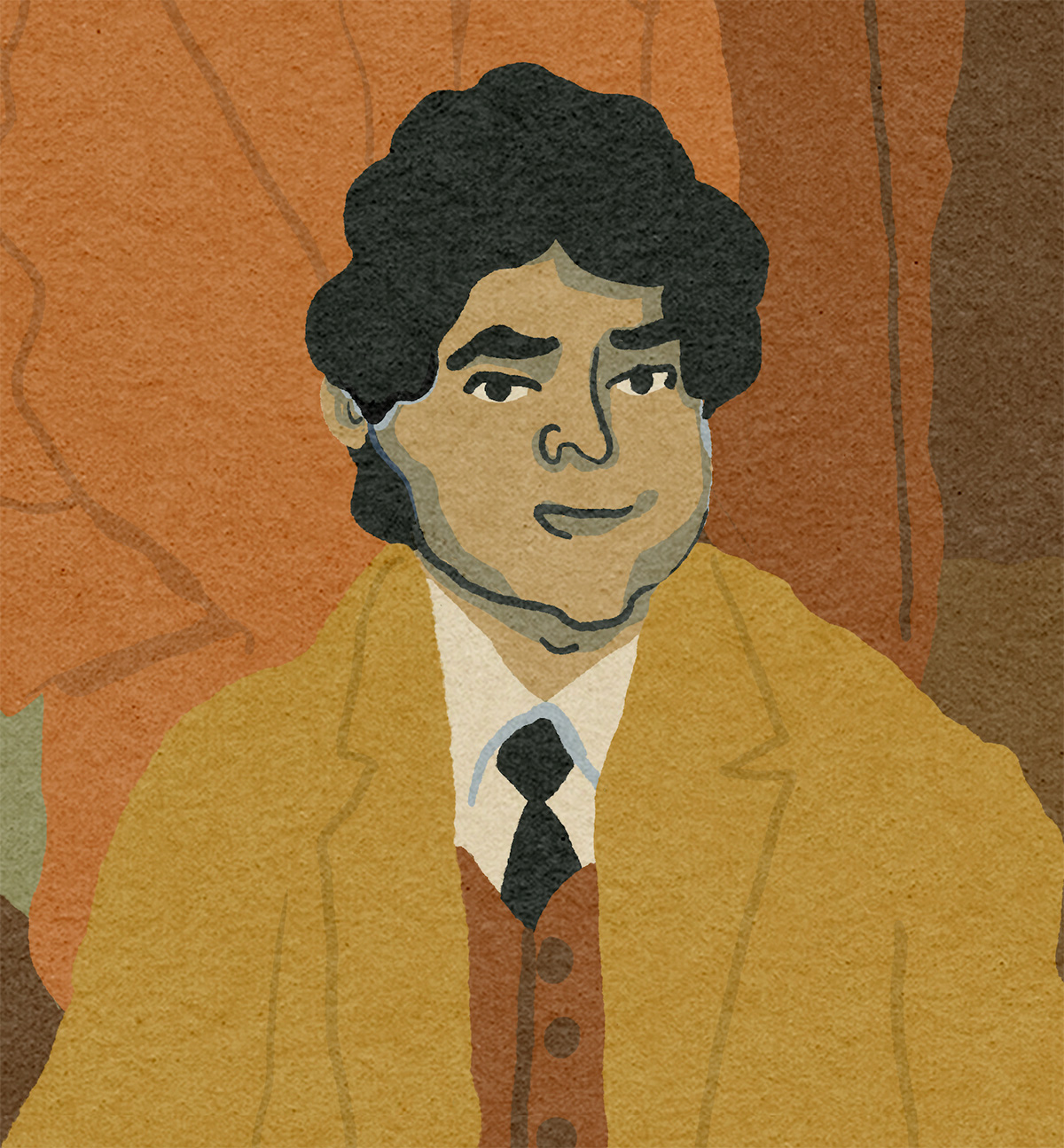
The visual world of Mirage unfolds through two distinct but interconnected artistic languages.
One belongs to the material world.
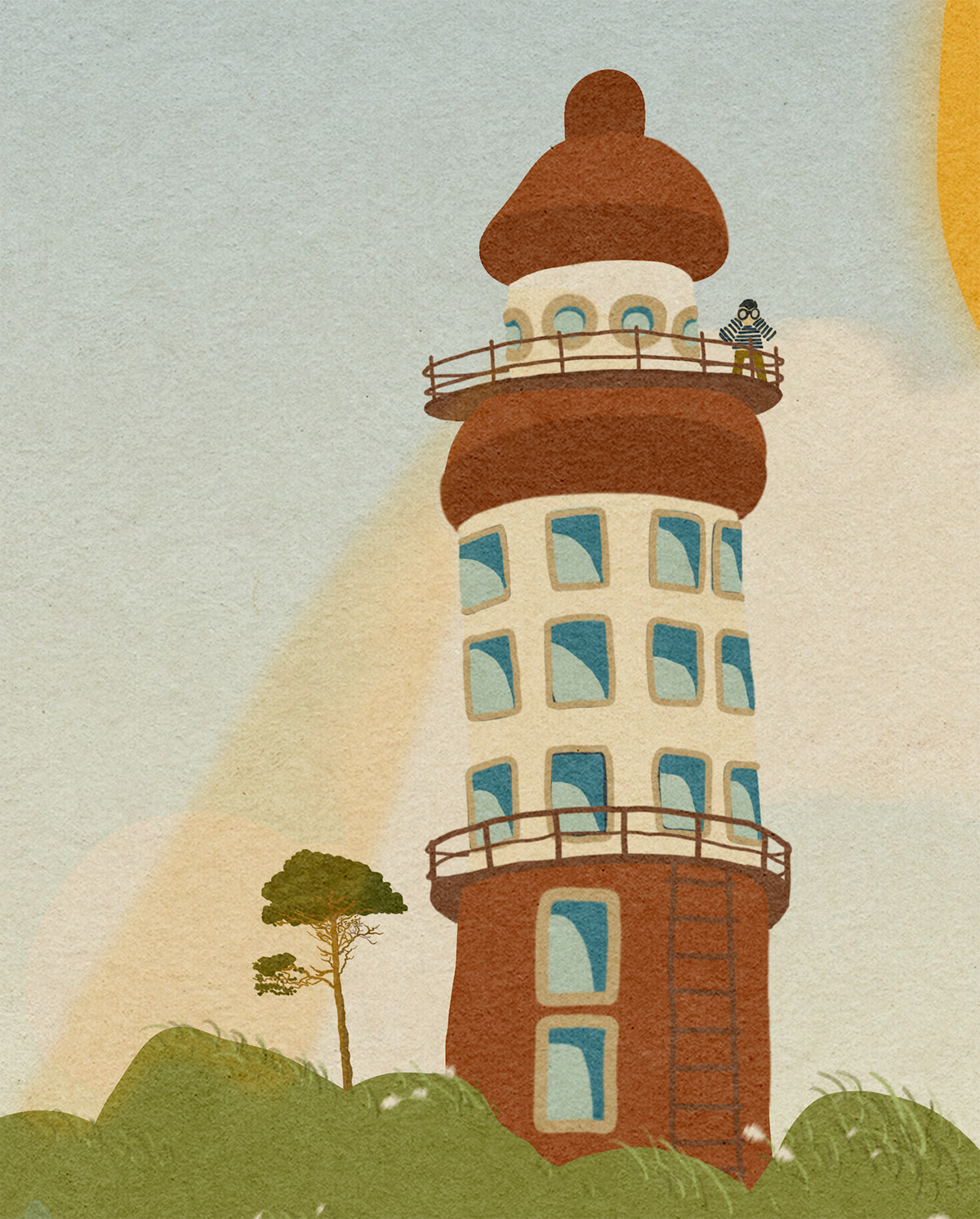
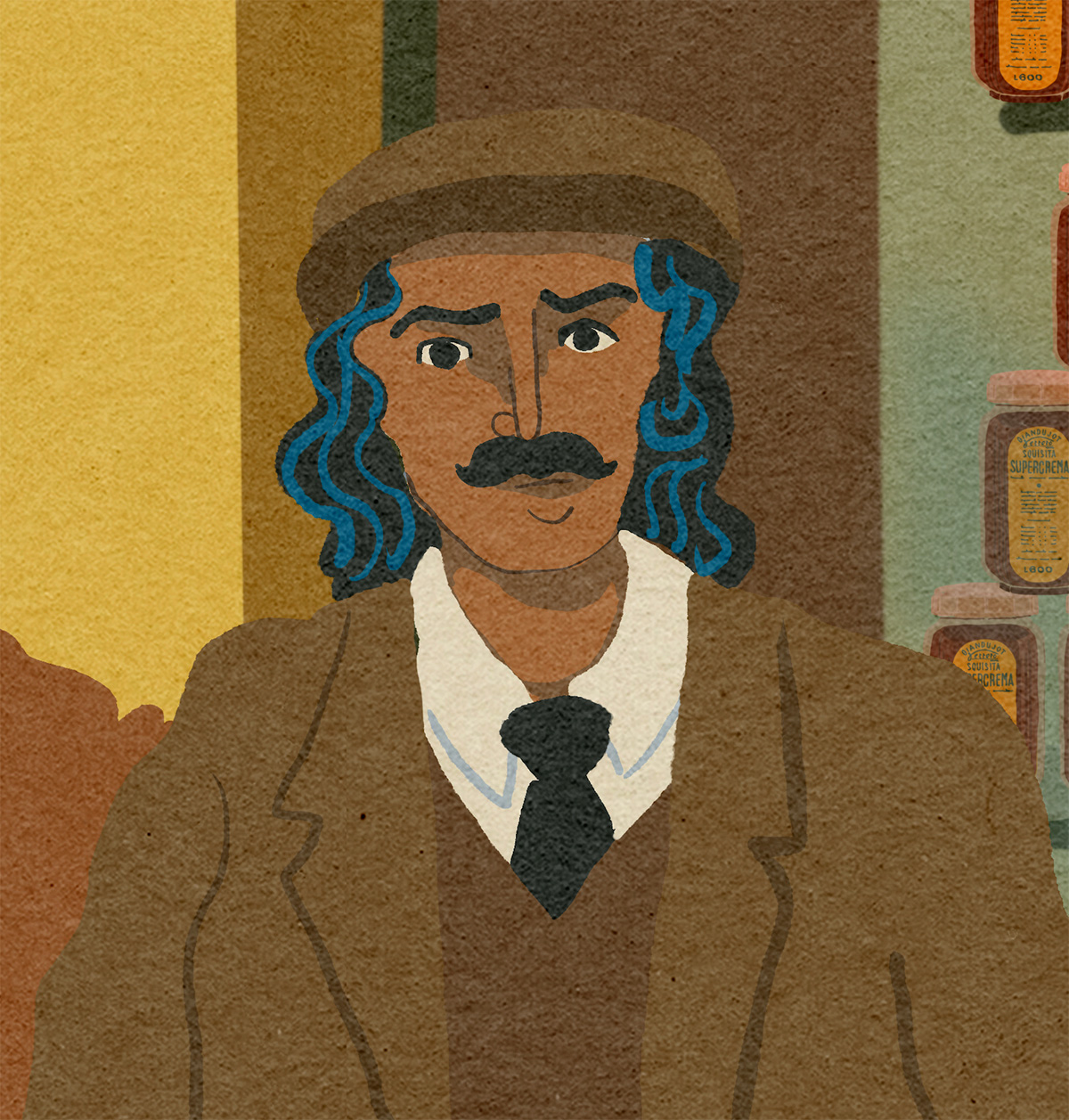
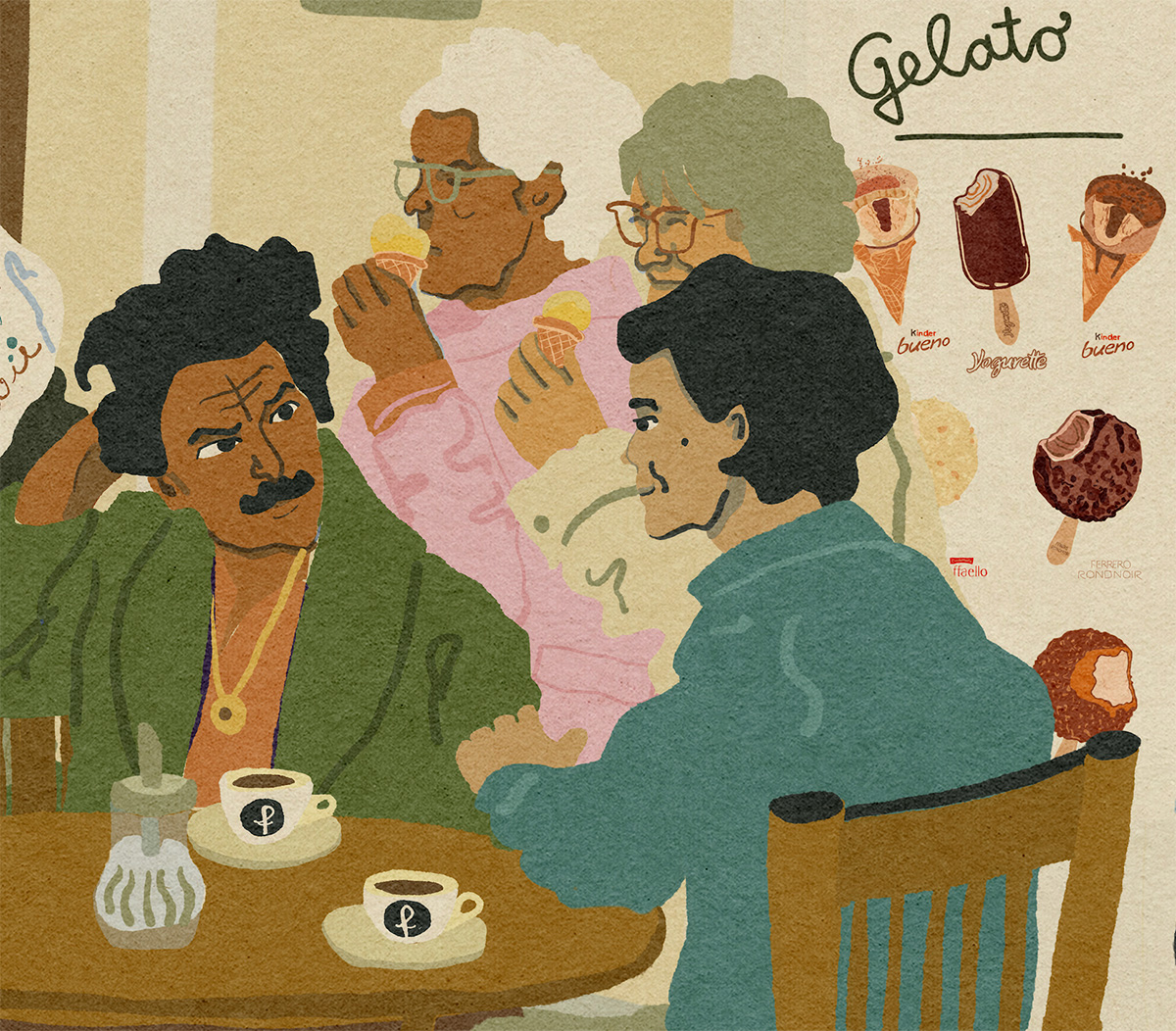
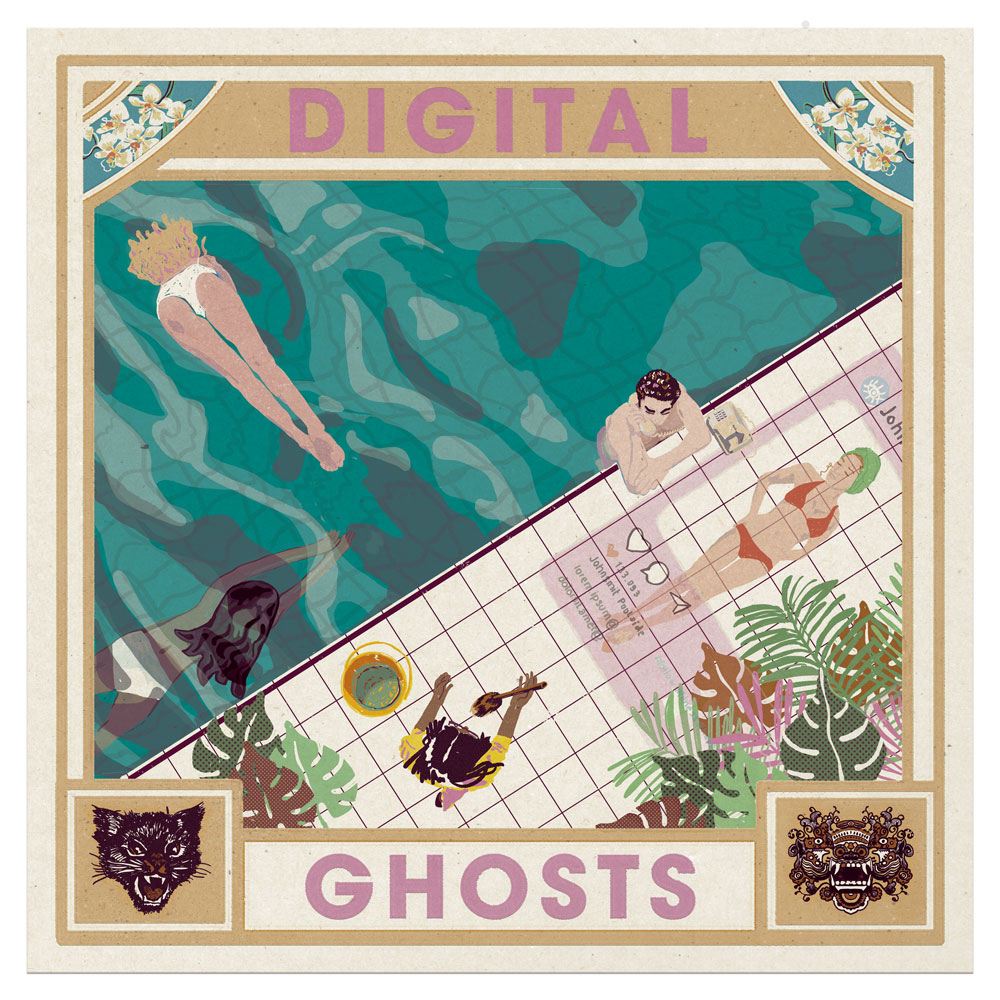
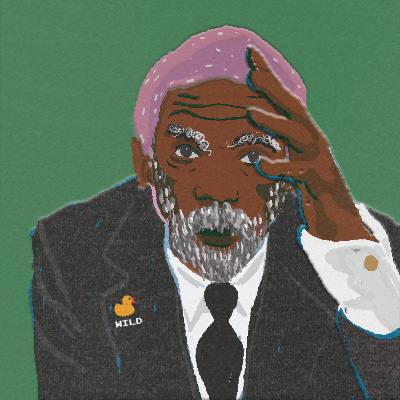
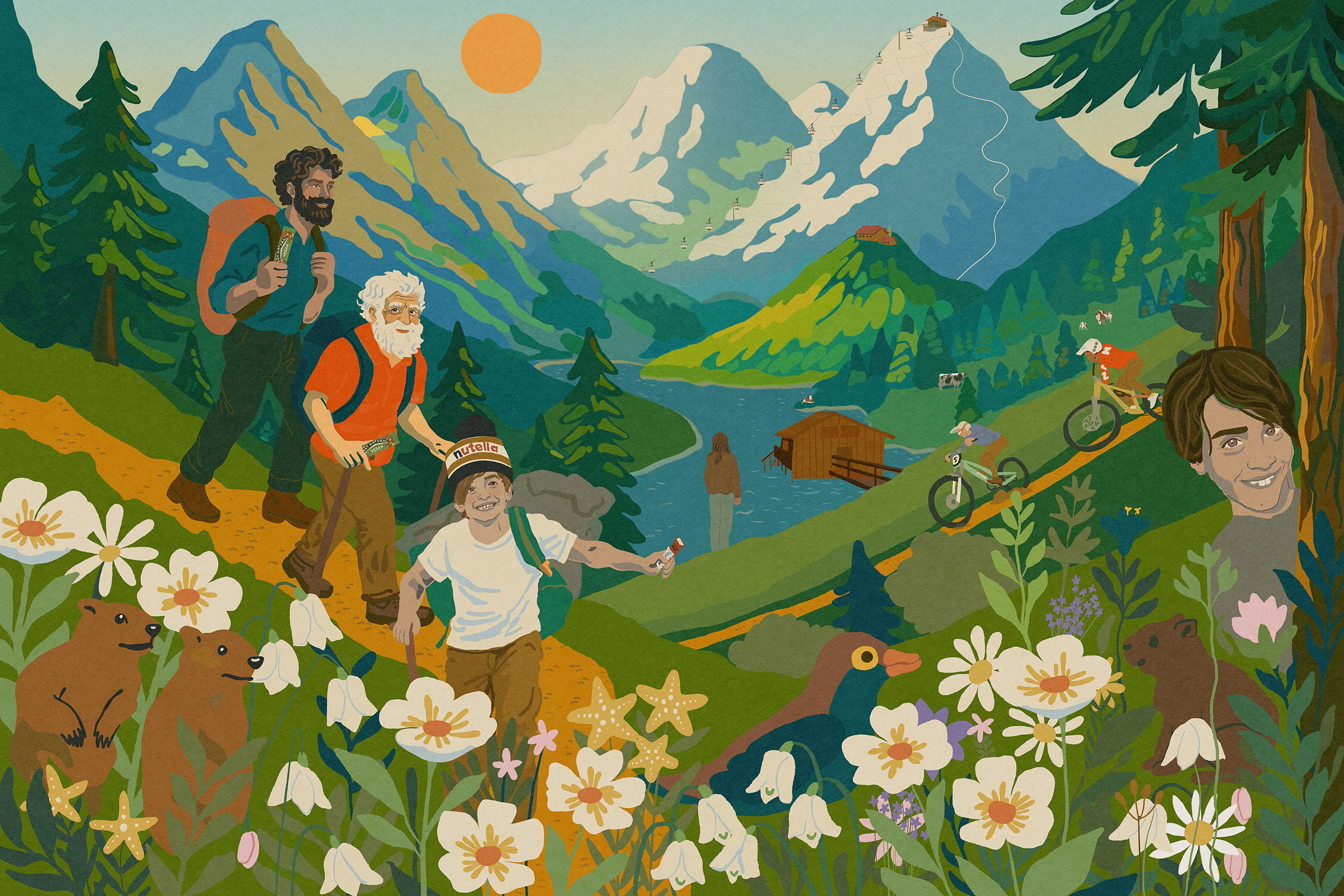
It is physical, detailed and recognisable: bodies, machines, architecture, landscapes, objects and the tangible structures through which human life takes form.
This world is primarily expressed through still images.
It appears solidified.
A moment has become an object.
An idea has become a machine.
A belief has become a structure.
A history has become a body, a city, an institution or a way of life.
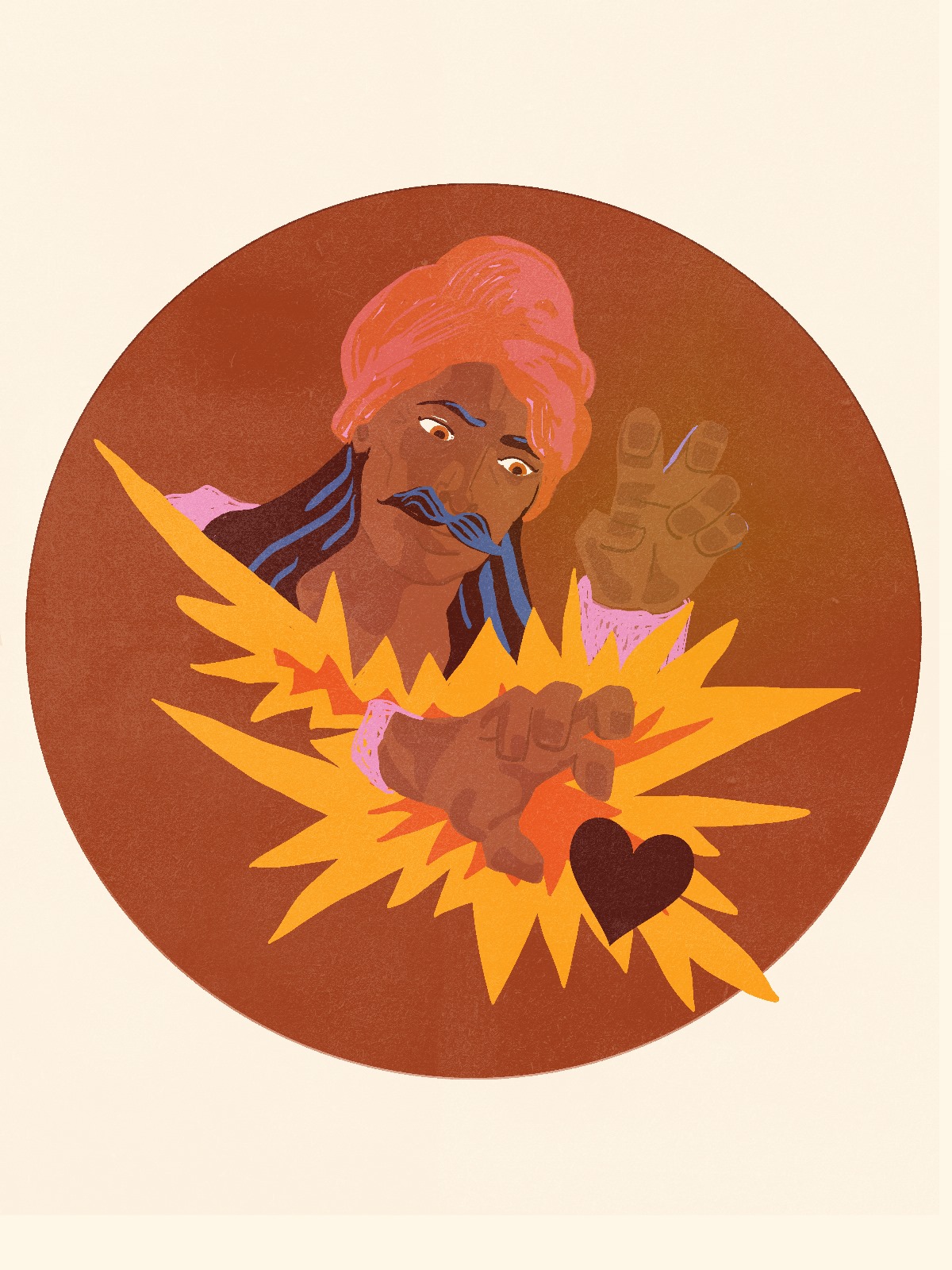
The other visual language belongs to Aluna and the immaterial world.
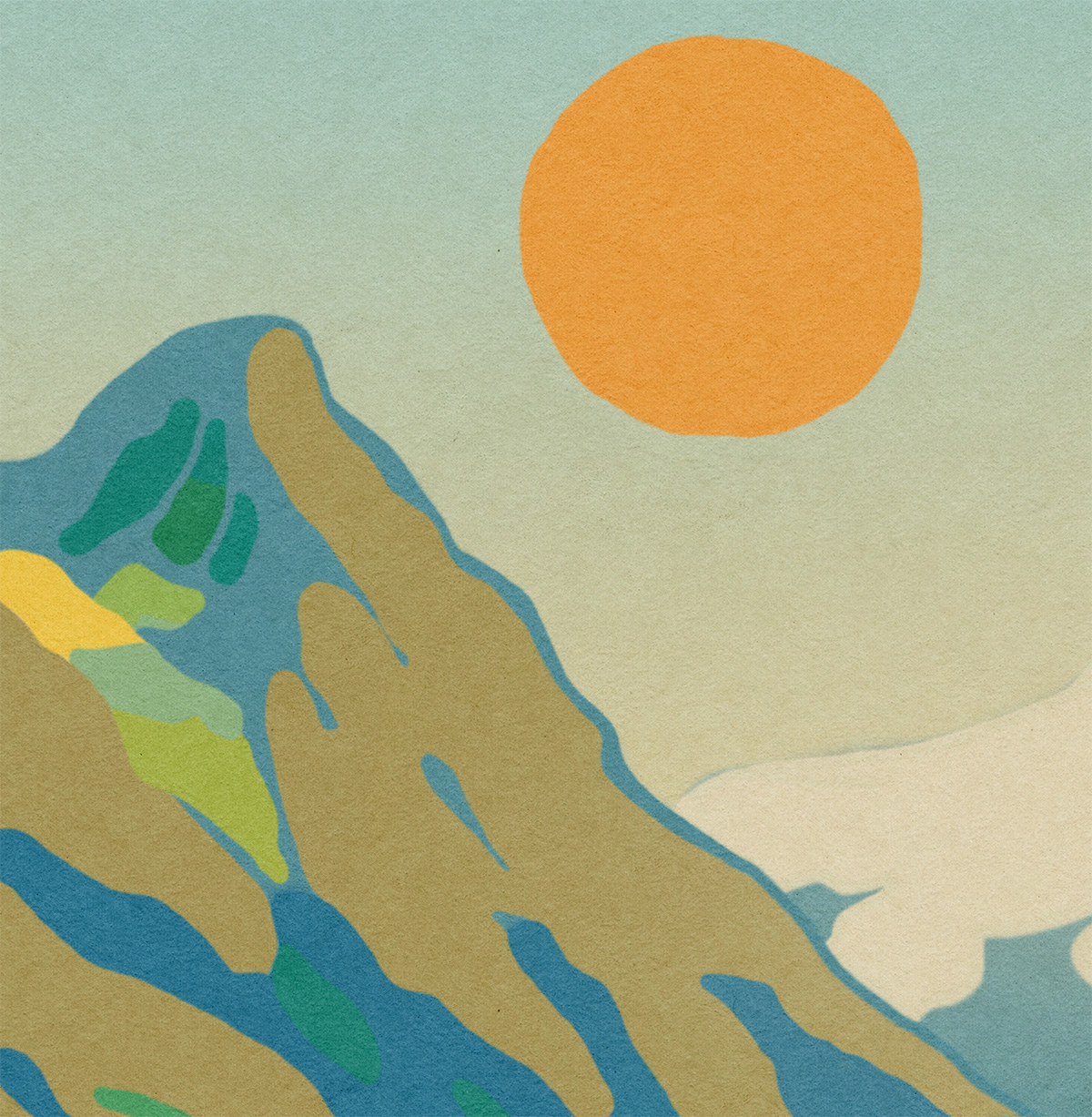
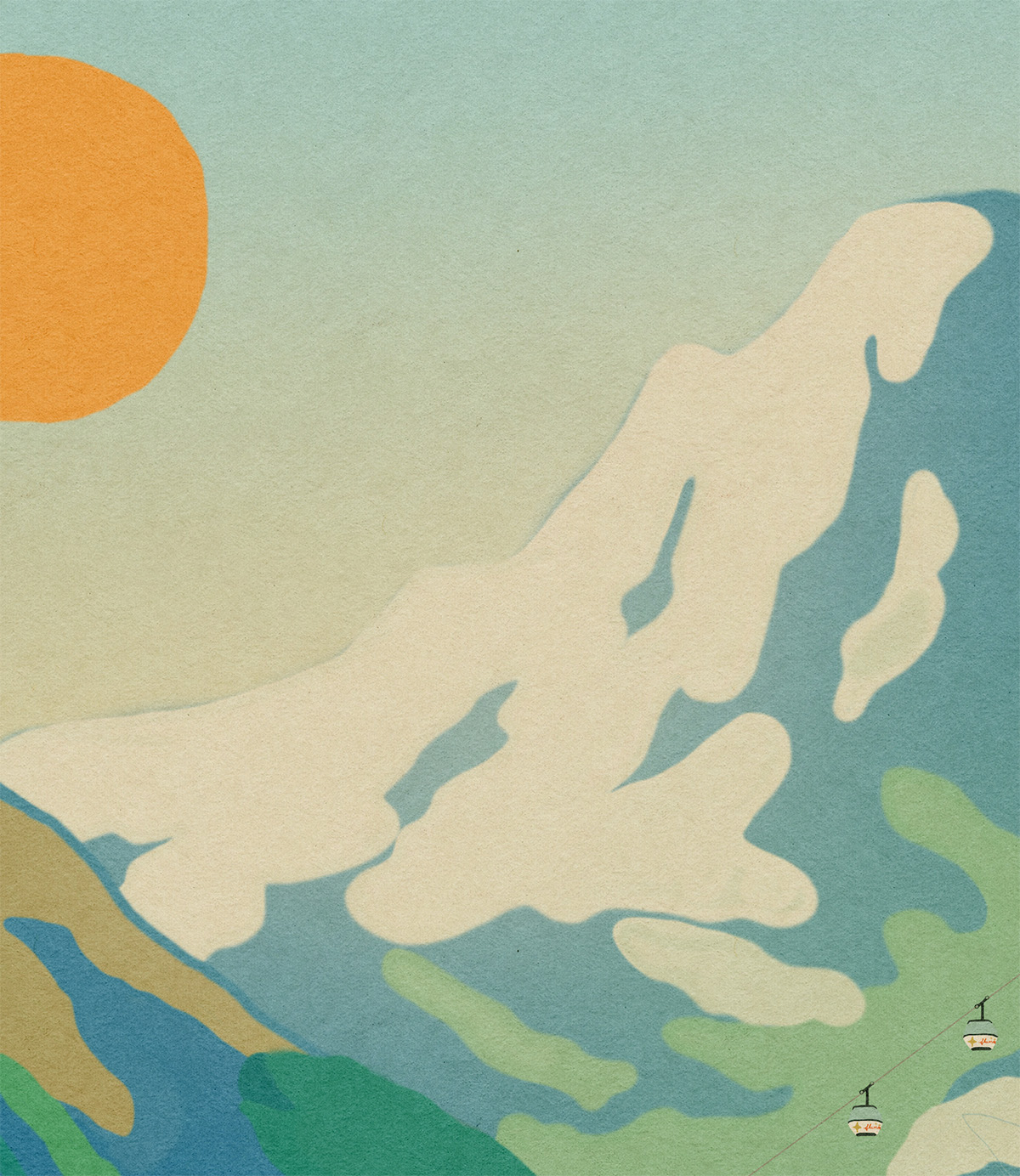
It is fluid, symbolic and archetypal: a realm of dreams, fears, memories, metaphors, desires, forces and possibilities that have not yet fully entered form.
This world moves.
It unfolds through movement, rhythm, transformation and moving pictures.
Forms emerge, dissolve and become something else. Meanings remain unstable. Images behave more like thoughts, dreams and memories than physical objects.
The immaterial moves faster because it has not yet solidified.
Before an idea becomes an institution, it can still change.
Before a fear becomes a machine, it can still be recognised.
Before a dream becomes a city, it may still take countless forms.
Movement belongs to the realm of possibility.
Stillness belongs to what has already become temporarily real.
The contrast between the two styles creates a deliberate friction in perception.
It reminds us that human beings do not inhabit the material world alone.
We also live among invisible forces: inherited stories, conditioning, private longings, collective myths, unspoken assumptions, archetypes, memories and imagined futures.
These may be immaterial, but they are never without consequence.
An idea becomes an invention.
A fear becomes a border.
A myth becomes an institution.
A dream becomes a city.
A wound becomes a machine.
A different image of the human may become a different civilisation.
The immaterial continually reaches toward form.
It enters language, bodies, relationships, technologies and systems. What begins as an image, belief, desire or possibility may eventually condense into the material conditions of life.
In Mirage, movement is therefore not merely an aesthetic choice.
It is the state of reality before it hardens.
The still image is not simply a frozen scene.
It is the residue of movement—the moment when one possibility has become actual and countless others have disappeared from view.
But the process also travels in the opposite direction.
Matter acts upon imagination.
Bodies remember.
Architecture organises behaviour.
Machines reshape attention.
Systems enter the nervous system and begin to feel like the self.
What has already materialised begins to produce new fears, desires, metaphors and dreams.
The material creates the next immaterial world.
Mirage lives within this continuous exchange.
Between motion and stillness.
Matter and meaning.
The visible world and the forces moving beneath it.
What has already become real and what is still searching for form.
Aluna is not an escape from material reality.
She is the realm in which reality remains fluid: where the future is imagined before it is built, where forgotten meanings can return, and where forms that have hardened may begin to move again.
The two artistic languages are therefore not separate worlds.
They reveal two phases of a single process:
the invisible moving toward form,
form becoming solid,
and the solid returning once more to imagination.
At their threshold, Mirage asks:
What are we materialising without realising it?
What fears and dreams are becoming physical through our technologies and institutions?
Which possibilities disappear when an idea hardens into a system?
And can what has become fixed begin to move again?
This is where the human lives.
Not entirely in matter.
Not entirely in imagination.
But in the unstable, creative space between them—where invisible forces become worlds, and where another image of life may still find its way into form.
Art
The Immersive Work
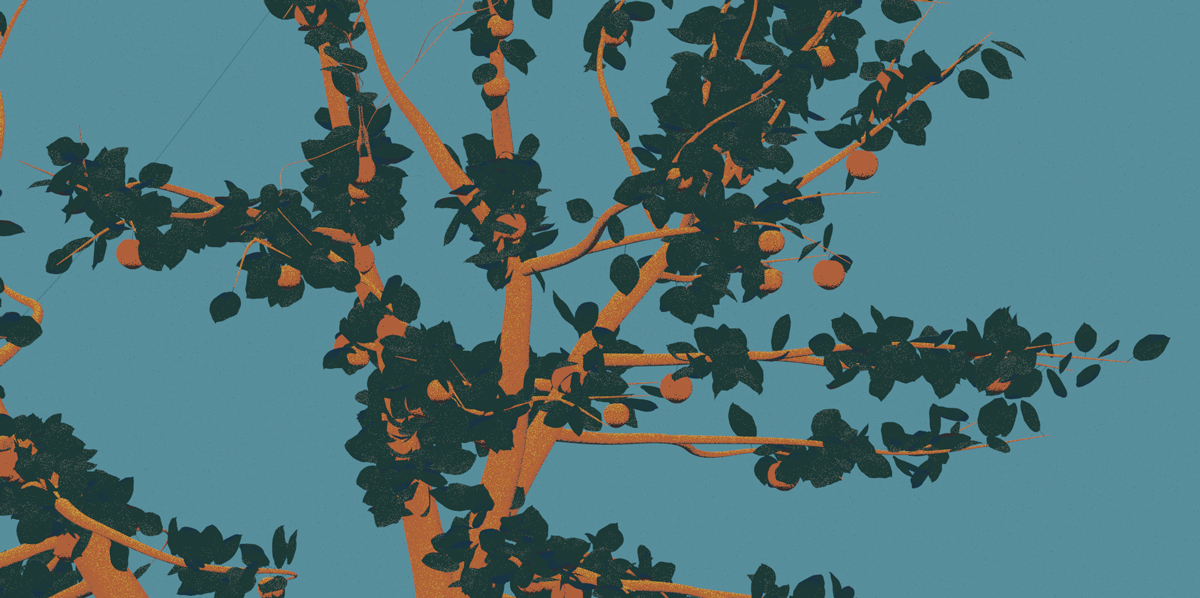
The first immersive Mirage work is currently in development.
It will unfold as a visual and musical journey through the mythic architecture of Mirage: the machine, the split, the animals, the body, Double-M, death, love, the hidden sun and the possibility of another form of life.
Fragments, tests, music and visual transmissions will appear here as the world is built.
No belief required.
Only attention.
participation