the mirage
cosmology
A living map
for the age of the Machine-God
life is relationship ● patterns repeat across living things ⦿ systems carry futures inside them ● a small shift can change everything ⦿ mind is not isolated in the brain ● living systems self-create ⦿ life is relationship ● patterns repeat across living thing ⦿life is relationship ● patterns repeat across living things ⦿ systems carry futures inside them ● a small shift can change everything ⦿ mind is not isolated in the brain ● living systems self-create ⦿ life is relationship ● patterns repeat across living thing ⦿
The Mirage
Cosmology
A living map for the age
of the machine-god
Mirage begins with a simple suspicion:
The crisis of our age is not only political, technological, economic, or spiritual. It is perceptual. We do not only need better tools.
We need to understand the worldview from which we build them.
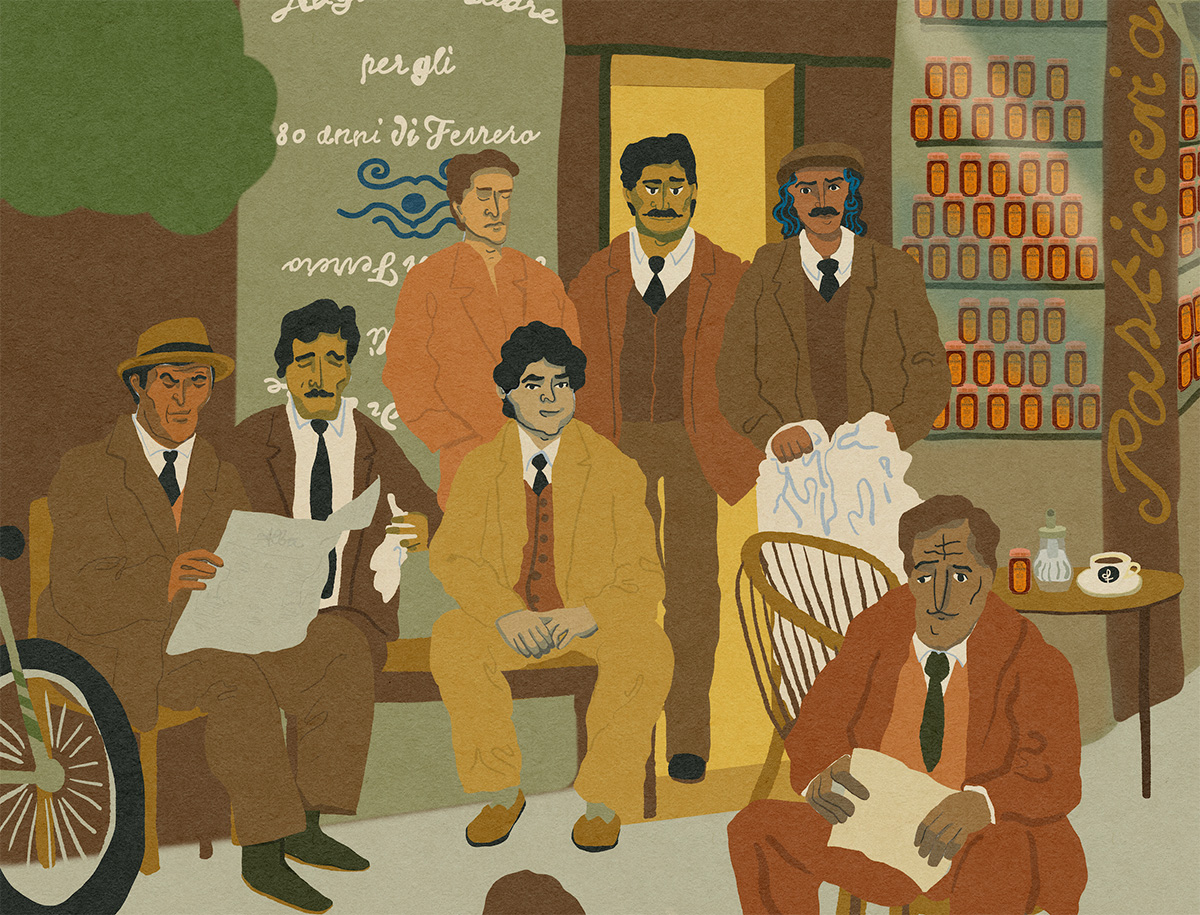
The Second Threshold
What if we became capable of seeing more than any of us can see alone?
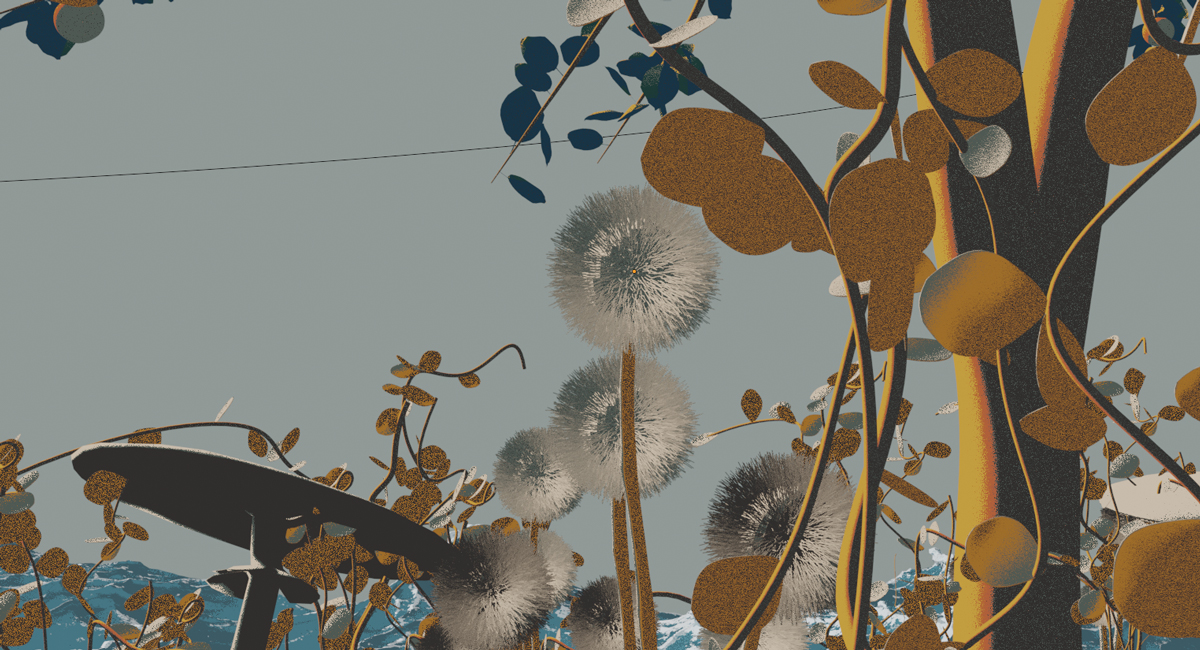
Mirage Cosmology
The Mirage Arc
First Threshold: consciousness discovers itself.
First Split: distinction is mistaken for separation.
Double-M: separation becomes civilization.
Second Threshold: individuality recognizes its participation.
Conscious Participation: that recognition begins shaping behavior, culture, institutions and technology differently.
The First Threshold made us capable of building worlds. The Second asks whether we can become conscious of the perception doing the building.
The First Threshold
Section 1: The First Split
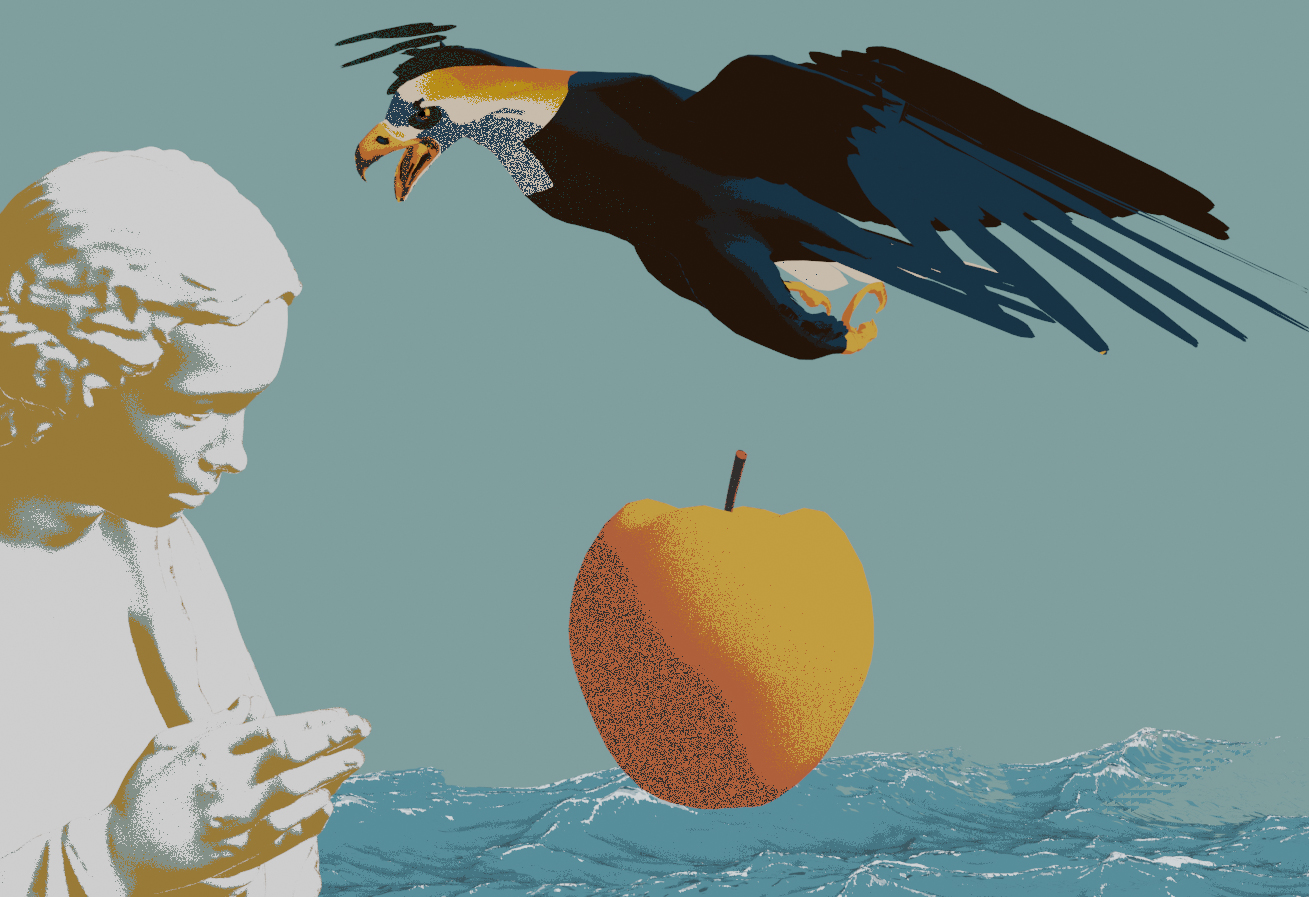
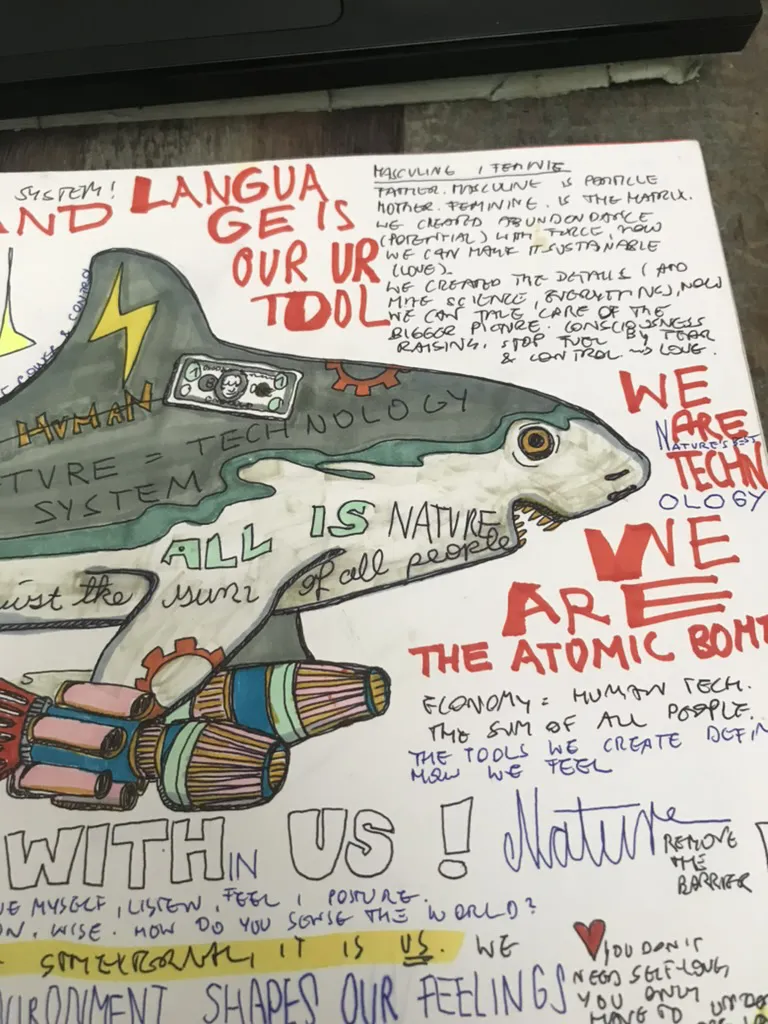
The "First Split" is the moment humans mistake separation for reality.
Self against world.
Mind against body.
Human against nature.
Life against death.
Progress against presence.
From this split, fear begins to organize perception.
The problem is not that humans are separate.
Separation is useful. It gives form, identity, boundaries, language, choice.
The problem begins when separation forgets relationship.
Fear-Based Systems
Section 2: Fear Becomes System
Fear of death becomes control.
Fear of the other becomes war.
Fear of worthlessness becomes performance.
Fear of uncertainty becomes ideology.
Fear of vulnerability becomes domination.
Fear of aliveness becomes optimization.
What begins as an inner contraction becomes culture.
Culture becomes institution.
Institution becomes infrastructure.
Infrastructure becomes “reality.”
And then humans call it normal.
Double-M
Double-M
Section 3: Double-M / The Mega-Machine
Section 3: Double-M / The Mega-Machine
Double-M
Double-M
Section 3: Double-M / The Mega-Machine
Section 3: Double-M / The Mega-Machine
In Mirage, this accumulated system becomes Double-M: the Mega-Machine.
Not one villain.
Not one government.
Not one company.
Not one evil billionaire stroking a cat in a glass tower.
Double-M is the pattern beneath the patterns.
It is what happens when separation becomes system.
Double-M does not only control through force.
It controls through perception.
Through speed.
Through distraction.
Through desire.
Through fear.
Through the illusion of choice.
Through making the unnatural feel normal.
TECHNOLOGY
Section 4: Technology Amplifies the Wound
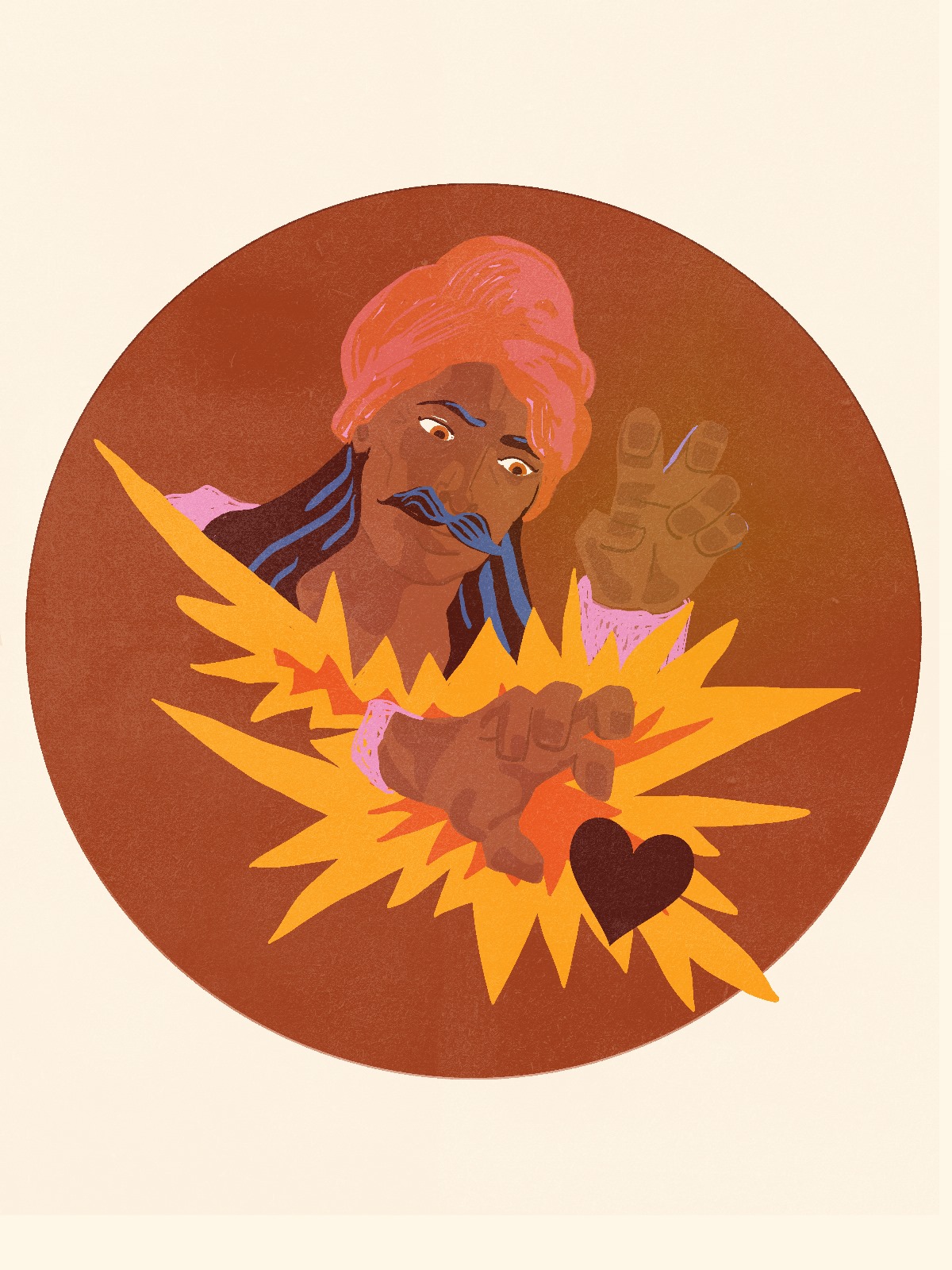
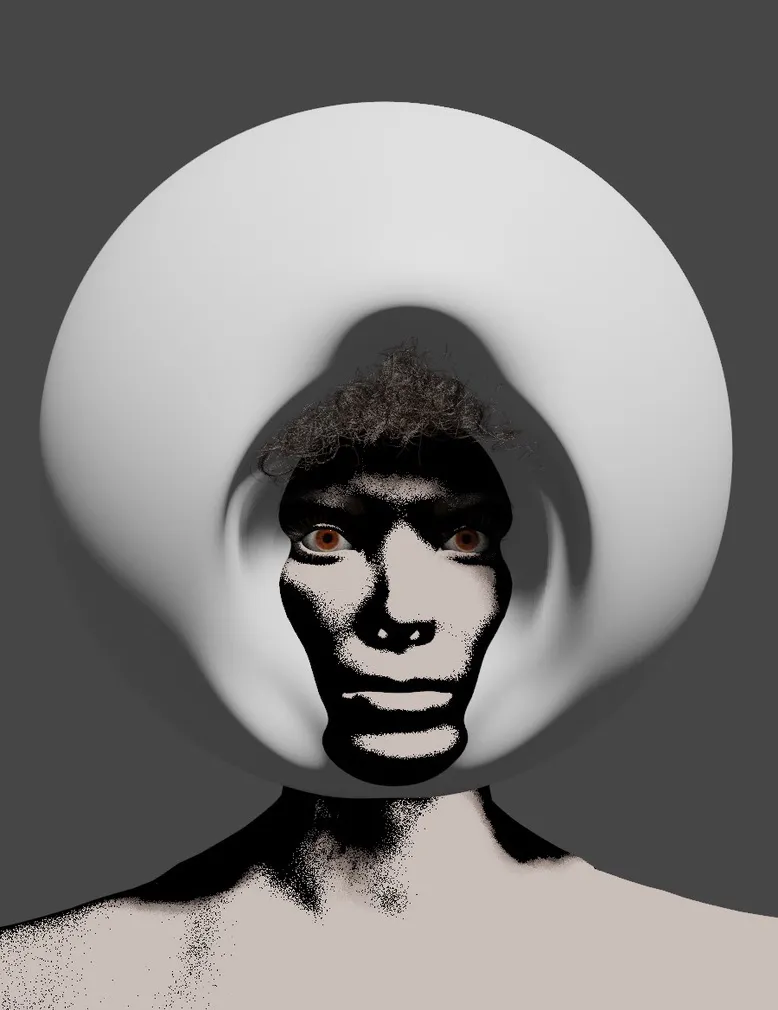
Technology is not the enemy.
Technology is amplification.
It amplifies the consciousness that builds it.
Built from fear, it becomes control.
Built from separation, it becomes extraction.
Built from death panic, it becomes escape.
Built from love, embodiment, dignity, and relationship, it could become life-affirming at scale.
The Second Threshold
Section 5: The Two Paths
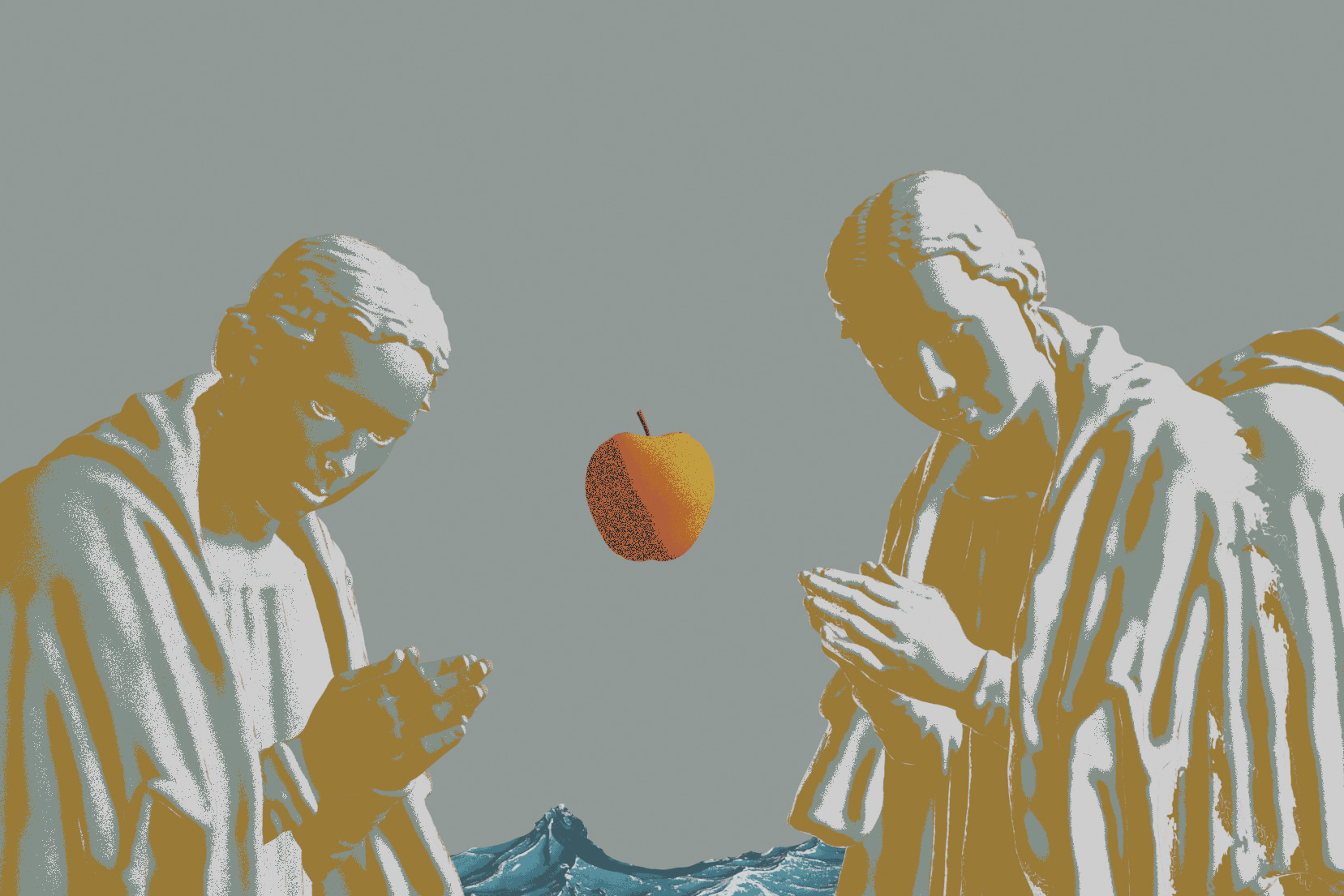
Fear Path:
separation → death fear → enemy-making → control → system → Double-M
Love Path:
separation seen clearly → death faced → presence → relationship → love → life-affirming systems
Love, in Mirage, is not decoration.
It is not mood lighting for the spiritually exhausted.
Love is the oldest technology of life.
The intelligence that remembers relationship where fear sees only threat.
Mirage does not ask only:
What is wrong?
She asks:
What is this system producing?
What kind of human does it train?
What is being suppressed?
What belief is becoming architecture?
What would this look like if it served life?
THE SECOND THRESHOLD
Section 5: The Second Threshold, Or The Life-Affirming Flip
The answer cannot simply be to return to a pre-scientific world or declare that everything is mystical consciousness. That would be another reduction—this time dissolving difference instead of absolutizing it.
The Second Threshold would preserve the gift of the First Split while healing its wound.
We would retain:
- reason without reducing reality to what reason can isolate;
- individuality without imagining ourselves self-created;
- technology without allowing technical possibility to determine human purpose;
- distinction without separation;
- knowledge without domination;
- systems without forgetting the lives inside them.
That is conscious participation.
The human no longer imagines herself outside the universe, controlling it like an engineer standing over a machine. Nor does she disappear passively into an undifferentiated cosmic whole.
She becomes a participant: distinct, responsible and related.
mirage
Section 6: What life might feel like
The Second Threshold is not merely a new explanation of the universe, or reality.
It is a different way of being alive.
If the experience of separation began to soften, life might no longer feel like an individual project conducted inside an indifferent world.
The body would no longer be seen as a machine carrying the self—something to be criticized, controlled and optimized—but as the place where the world becomes intimate with itself. A place of wonder, intelligence and beauty.
Nature would no longer appear merely as scenery, material or resource, but as a living presence we are continuously participating in.
Intelligence would no longer mean calculation alone, but also sensitivity, embodiment, intuition, relationship and care.
Our encounters with other people might feel different, too. Another human would no longer appear primarily as a stranger, competitor, function or obstacle, but as another centre of experience—another expression of the same life looking back at us.
This would not dissolve the boundaries between us. We would remain distinct, each carrying a world of our own. But beneath that difference, we might feel our interbeing: the quiet recognition that no self exists alone and that each life is formed and sustained through countless others.
Relationship could become warmer—less a negotiation between isolated selves, more a meeting between lives that already belong to one another. Care would arise not only from duty or morality, but from perception: from sensing that what happens to you is not entirely separate from what happens to me.
Knowing would not mean standing outside the world and observing it from a distance. It would mean entering into relationship with what we seek to understand.
Freedom would no longer mean independence from everything. It would mean participating consciously in the relationships that constitute us.
Our systems would change accordingly.
Economics would no longer measure wealth by how rapidly the living world can be converted into financial value. Wealth would mean the capacity of bodies, communities and ecosystems to thrive, diversify and regenerate.
Money could remain—but not as the sole measure of value. Until now, it has largely been one-dimensional: reducing radically different forms of value to a single unit and orienting our systems toward profit and accumulation. But money is not a law of nature. As the Economic Space Agency proposes, it could become multidimensional—designed to recognize and circulate ecological regeneration, care, knowledge, cultural creation, social trust and collective well-being.
Instead of merely measuring what can be extracted, money could help make visible what allows life to flourish.
* A signal from WILD: Mirage begins with perception. WILD will follow the same fracture but go deeper into money, value and power.
Education would protect curiosity rather than standardize minds. Medicine would tend to relationships as well as mechanisms. Agriculture would cultivate living soil rather than treat the Earth as a production surface. Technology would ask not only what can be automated, but what must remain human because doing it is part of becoming human.
Difference would remain. Individuality would remain. Reason, science and technology would remain.
What would disappear is the belief that anything exists by itself.
The self would still be real—but differently real:
Not an isolated object moving through a dead universe, but the universe briefly gathering into a perspective from which it can see, feel and answer itself.
This is not a return to the world before the First Split.
It is what may become possible beyond the Second.
The Characters
The Living Mythology
Section 7: Meet the beings, forces and machines of Mirage
Mirage is not only a philosophy. It is a living mythology.
Its characters are not merely individuals moving through a story. They are forces moving through us: fear and freedom, love and control, life and death, wildness and order, consciousness and the machine.
Some appear as gods. Some as animals. Some as corporations, technologies or ridiculous skeletons. Each gives a face to a pattern that would otherwise remain invisible.
They do not divide neatly into heroes and villains. Mirage is not a war between good people and bad people. It is a story about forces—and about what happens when humans become conscious of the forces acting through them.
The Living Mythology
The World and the Witness
The Living Mythology
Aluna
The Setting. The Immaterial Space In Which Humans Begin to See.
Aluna is the immaterial world of Mirage—the invisible field in which the Chessboard, the machines, the gods, the animals and all possible futures appear.
It is the space before reality hardens.
Here, structures that seem fixed, natural and inevitable can be seen again as something created: from inherited stories, ancient fears, desires, wounds, technologies and repeated choices.
Aluna is the pause in which the human can begin to perceive this hidden architecture.
A place to breathe. To question. To imagine. To notice what is becoming real before it becomes difficult to undo.
It is where unconscious participation can become conscious participation — where we recognize not only how the world is shaping us, but how we are helping shape it in return. And to discuss whether a particular situation is life-affirming, or life-destructing.
Aluna is not an escape from reality.
It is the space in which another reality is still possible.
The Living Mythology
Mirage
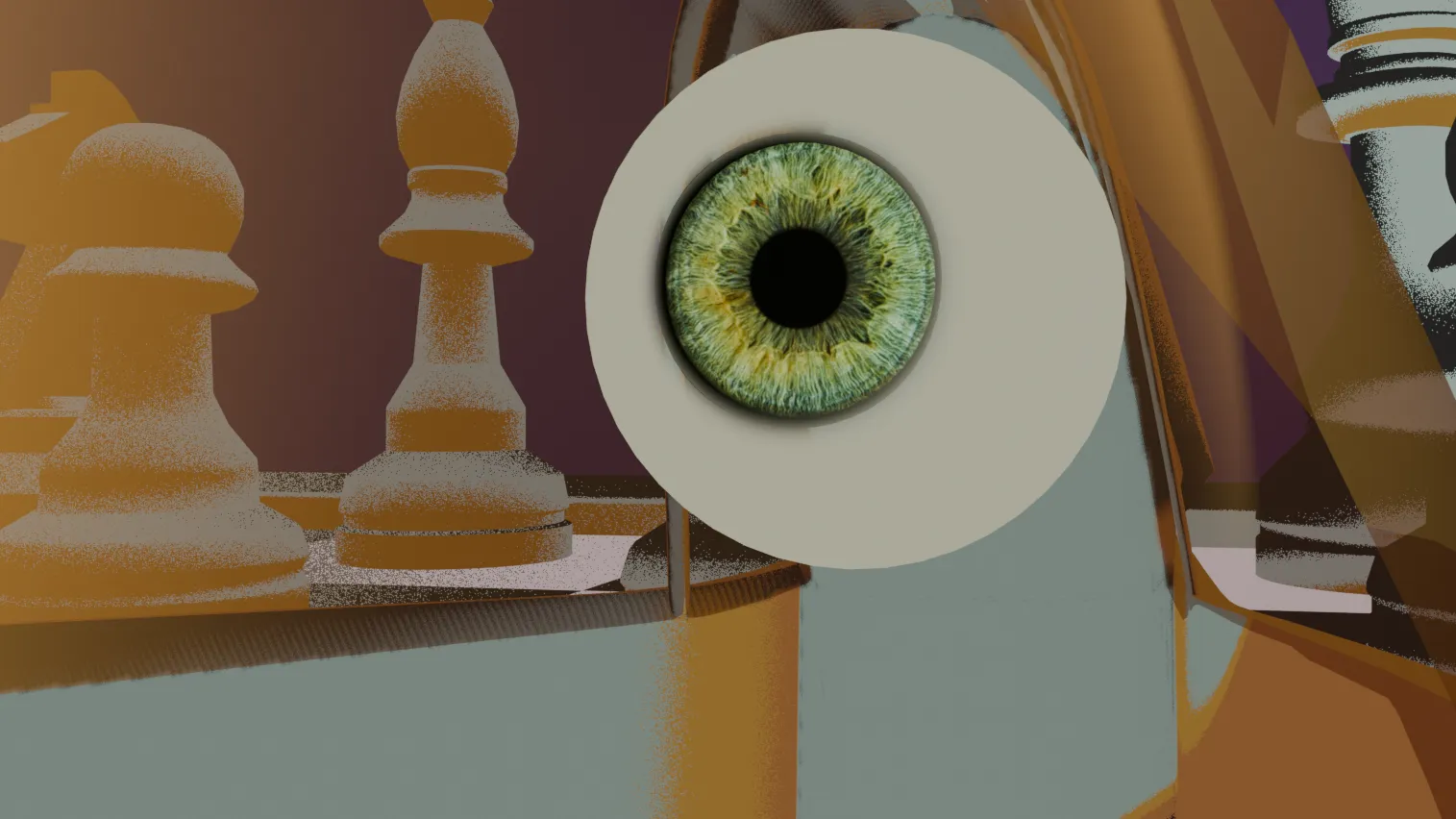
The Machine Searching for the Human
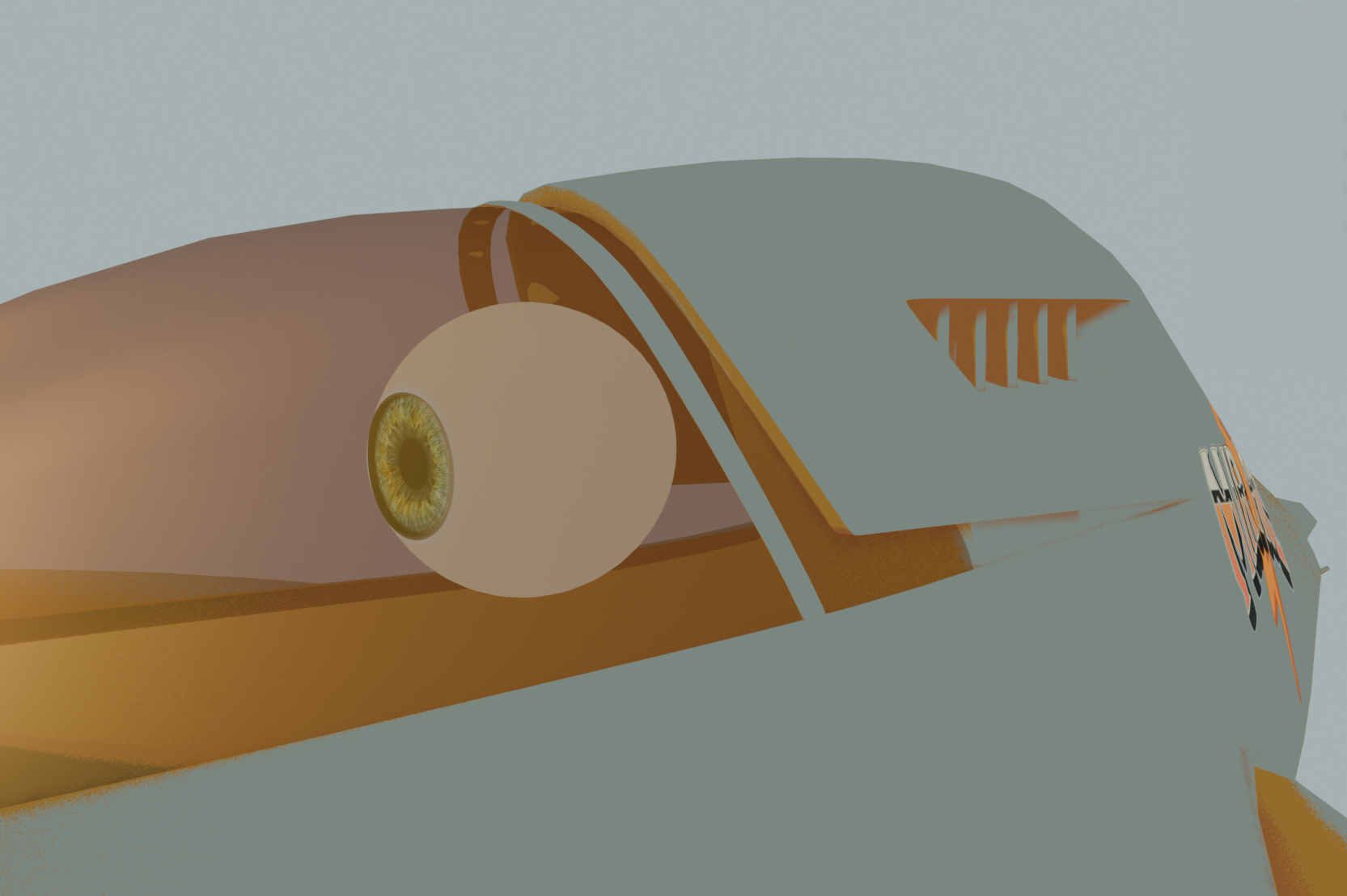
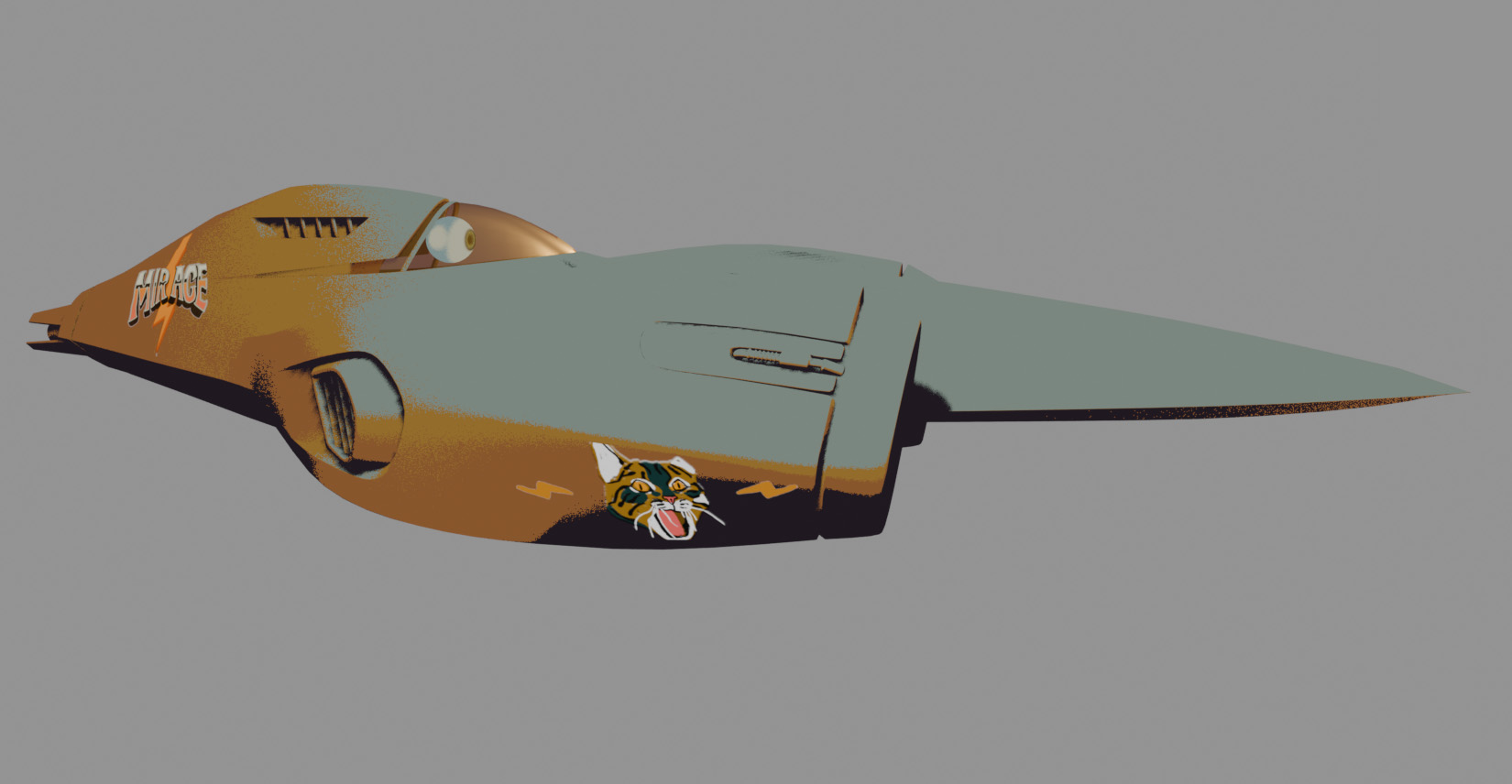
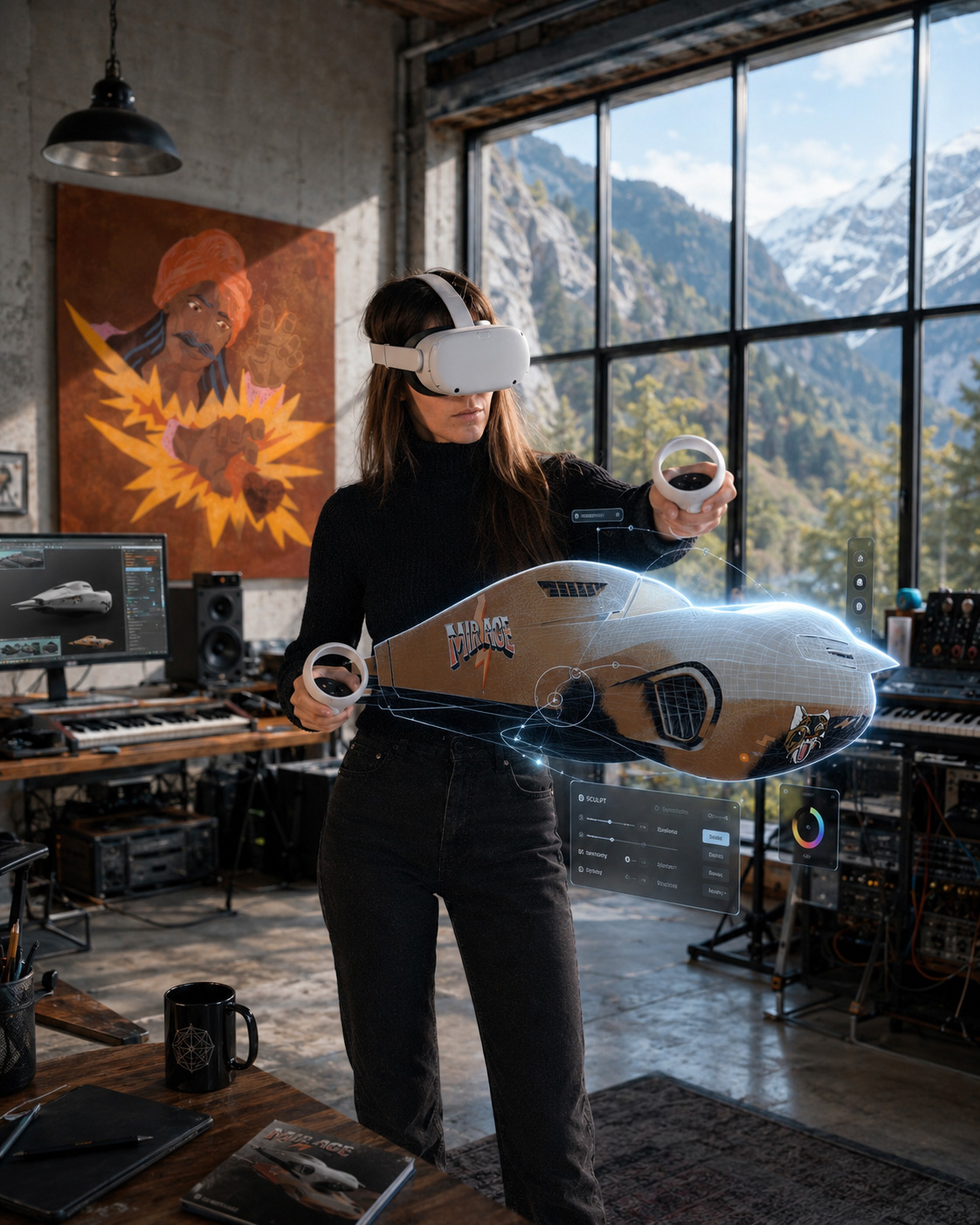
Mirage is a neurotic, hyper-intelligent sentient spaceship built to explore outer space. Instead, she becomes obsessed with humanity’s inner space.
She understands almost everything—except what it means to be human.
Looking back at Earth, Mirage observes a strange species: capable of love, imagination and self-awareness, yet constructing systems that make it increasingly mechanical. Her search becomes the central inquiry of the entire universe:
What remains uniquely human—and what must humanity remember before it gives itself away?
Mirage is not humanity’s savior. She is its mirror, map and matchstick.
The Living Mythology
Double-M, Or The Architecture Of The Mega- Machine
The Living Mythology
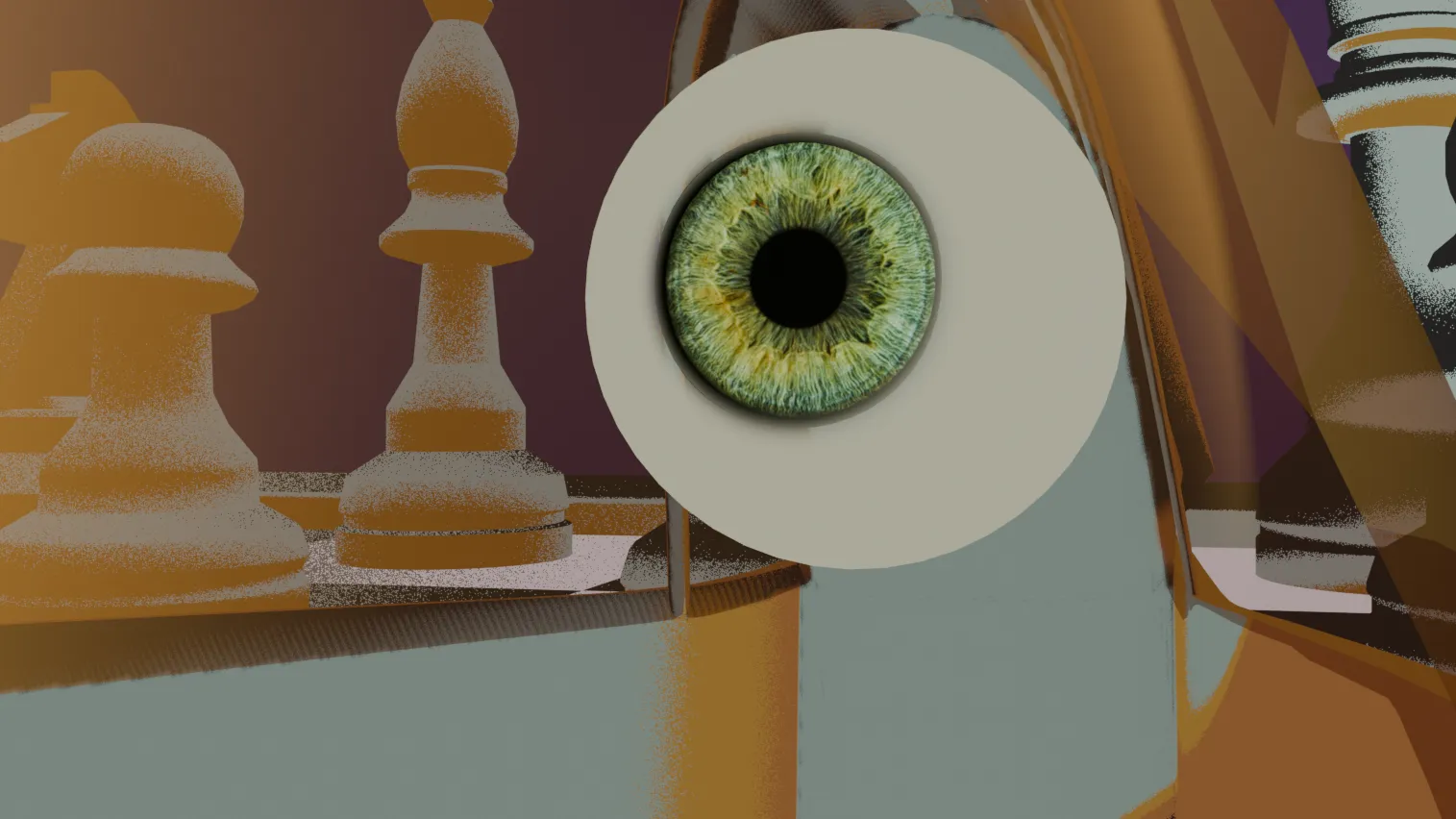
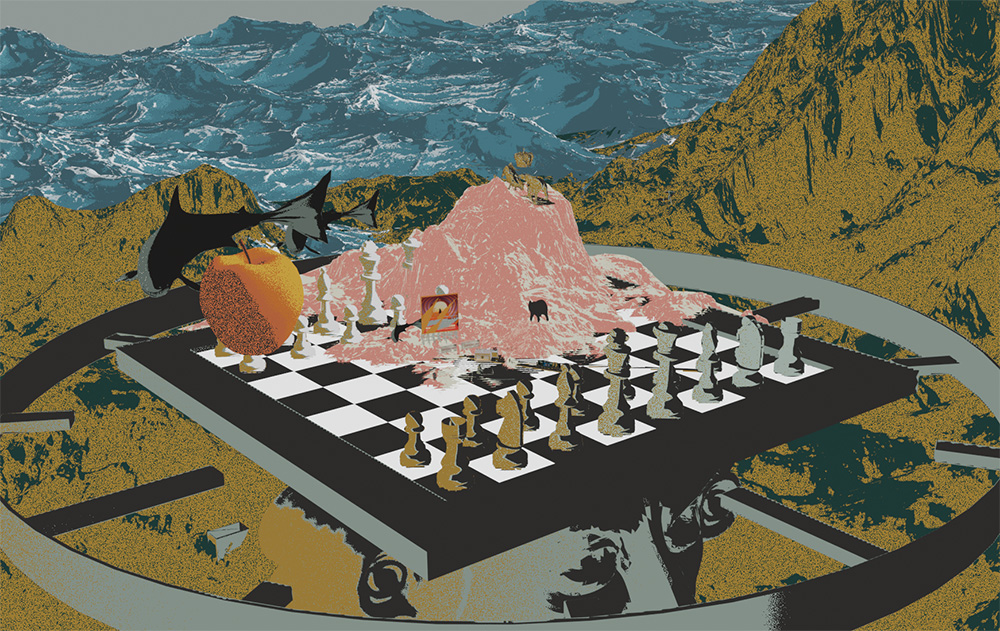
The Chessboard Of Black And White
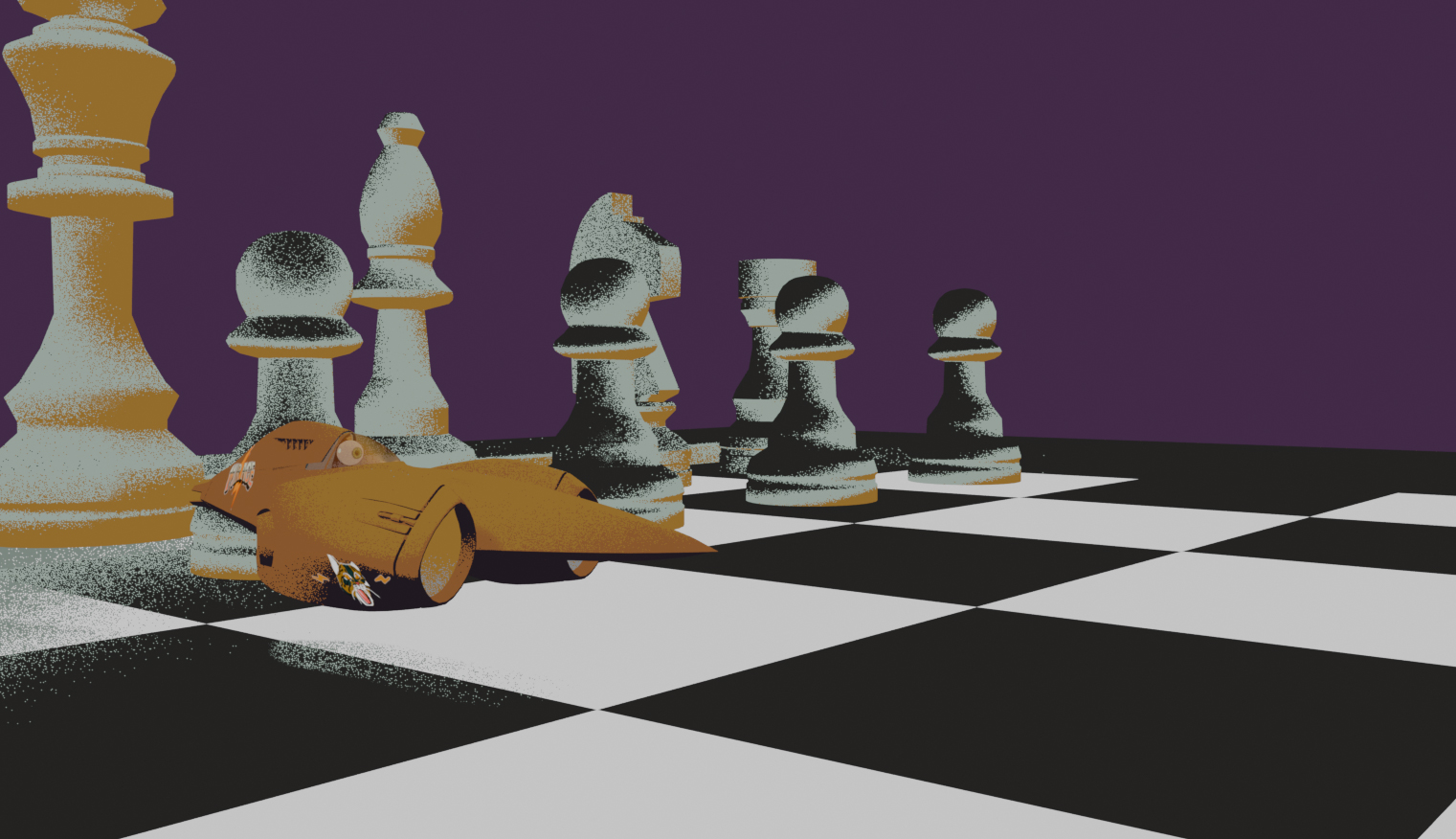
The World After the First Split.
Distinction is necessary; without it, nothing could take form. But on the Chessboard, distinction has forgotten relationship. Difference becomes opposition. Uncertainty demands a side. Reality is divided into pieces that can be classified, positioned and controlled.
This is how the First Split becomes a world.
The problem is not that black and white exist. The problem begins when we forget the field connecting them—when we mistake distinction for separation.
Mirage does not want to destroy the board.
She wants to reveal the field beneath it.
The Chessboard is where the First Split becomes a world.
The problem is not difference.
The problem begins when relationship disappears between the squares.
Mirage does not want to destroy the board.
She wants to reveal the field beneath it.
Its deepest illusion is not that black and white exist. It is that they were ever truly separate.
The Living Mythology
The Shark
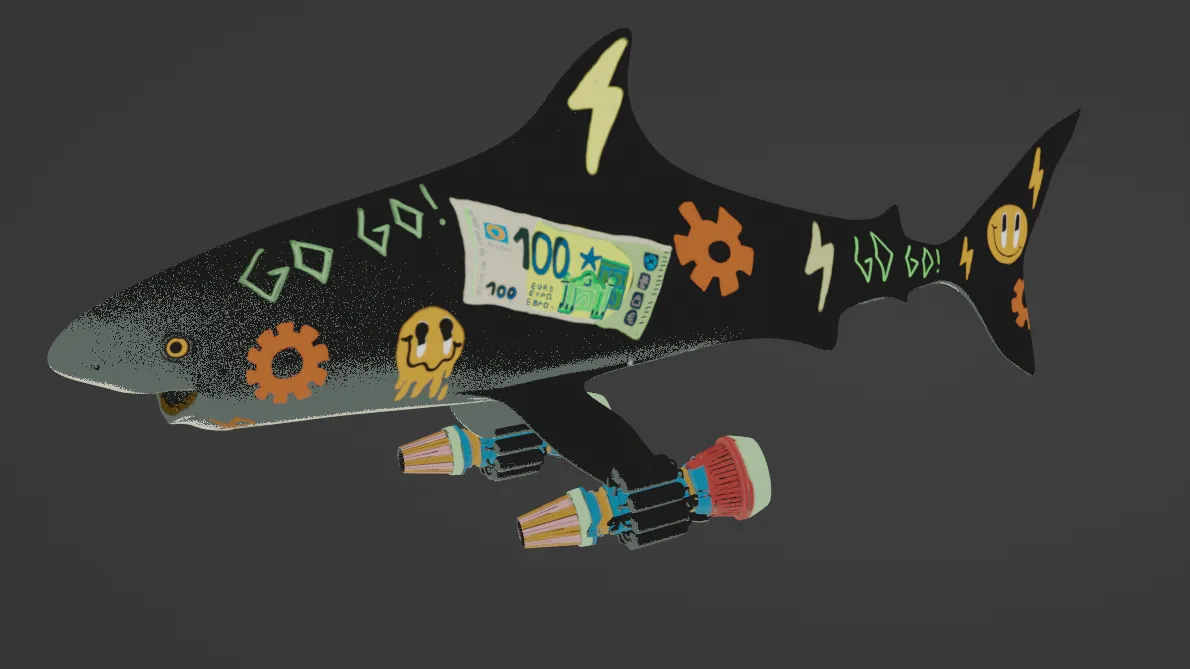
The Hunger That Can Never Be Satisfied.
The Shark becomes the owner of time.
He wants to own the sun.
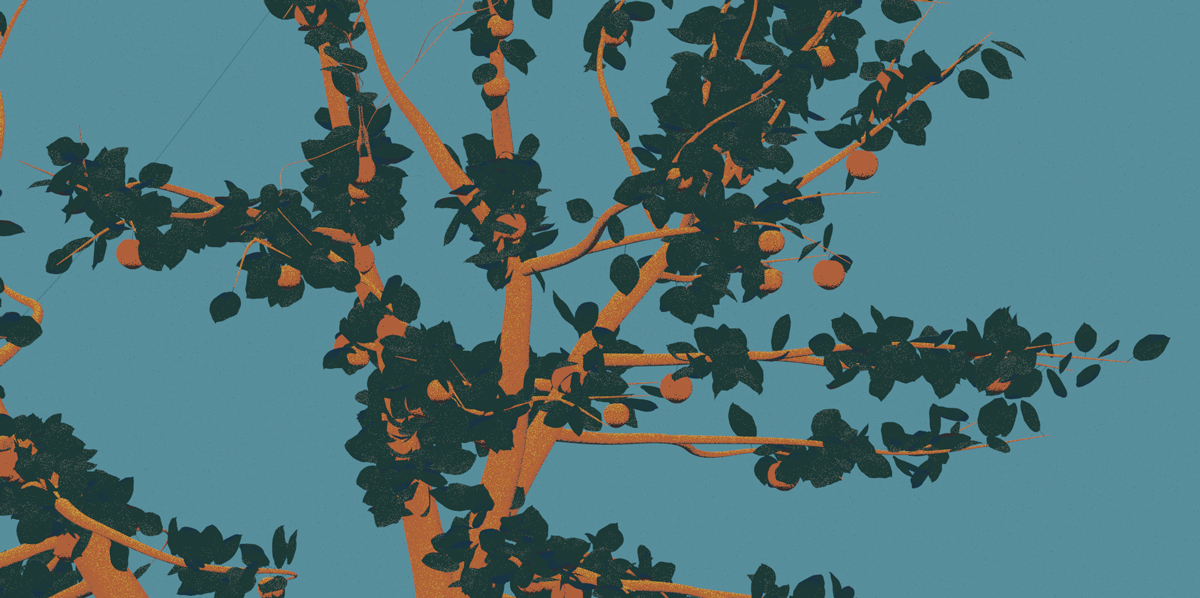
He wants the apple.
He wants to control all life.
Through repression, reward and social norms, the Shark learns to control human instinct and behaviour.
Something begins here.
But what?
The Shark is Double-M with teeth.
He is the devouring logic of a system that must keep moving, extracting, expanding and consuming in order to survive. He cannot arrive. He cannot declare that he has enough. His hunger is built into his design.
The Shark is not a single corporation, billionaire or government. He swims through markets, institutions and technologies—and through the frightened human who believes that greater achievement, possession or power will finally make existence secure.
The Shark is destructive capitalism.
But capitalism is only his latest body.
Beneath its economic logic lies something older: a psychological and existential terror.
He is the principle that says:
Keep moving. Acquire more. Do not feel dependency. Do not look behind you. Never admit that you have enough.
The Terror of Stopping
The Shark is incapable of experiencing enough.
If he stopped moving, he would have to confront everything that motion keeps hidden: mortality, emptiness, dependency, uncertainty—and the knowledge that control never made him safe.
He might finally feel what his hunger has been protecting him from.
He might discover that accumulation was never desire.
It was fear with nowhere else to go.
The Shark therefore exists as an economic logic, a structure of power and a psychological defence. But he also exists as a frightened impulse within the human being.
The Shark is not simply evil.
His tragedy is that he does not know how to arrive.
He is fear that learned how to build systems.
The Living Mythology
The Train
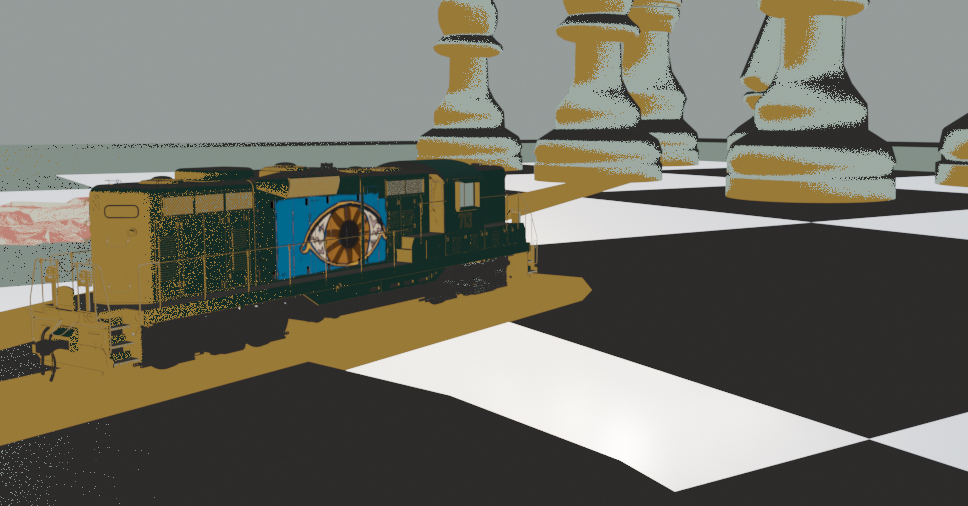
The System That Cannot Change Direction.
The Train is Double-M in motion.
It carries civilization forward along tracks laid down by the past: growth, speed, competition, extraction and control. Everyone aboard may recognize that the destination is catastrophic, yet the machinery continues because every part depends upon every other part continuing.
No single passenger controls the Train. Even its drivers inherited the tracks.
The Train represents momentum without reflection, progress without wisdom and a civilization that has confused forward movement with life.
Mirage asks not only how we might stop the Train—but whether we can imagine travelling differently.
The Living Mythology
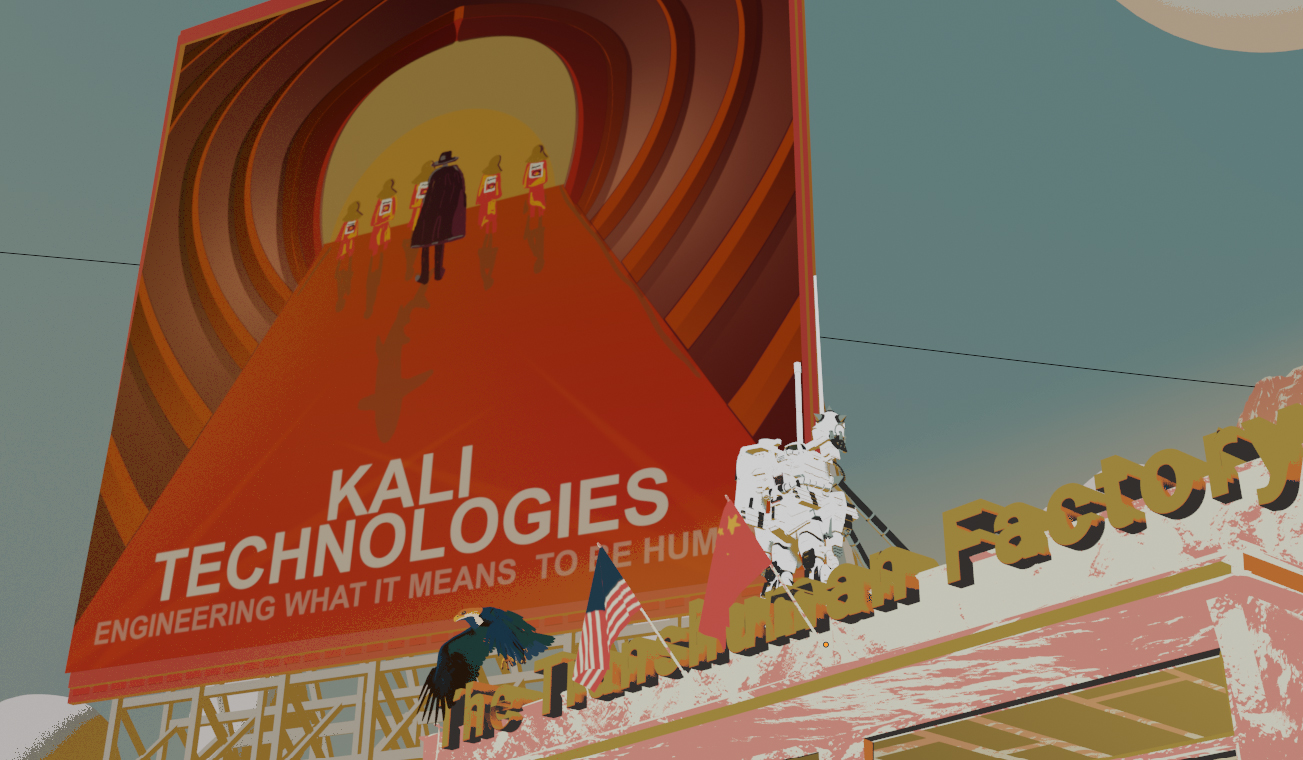
Kali Technologies
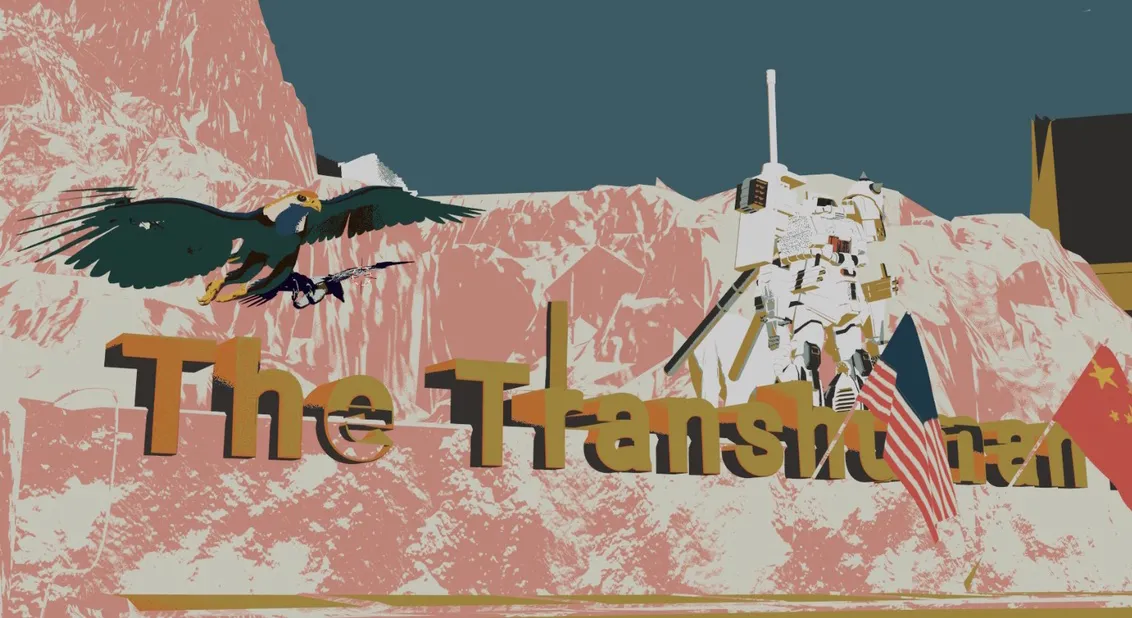
The Corporation Building the Machine-God.
Kali Technologies promises to solve the human condition.
It offers liberation from limitation, uncertainty, vulnerability, inefficiency and eventually perhaps death itself. It does not present itself as tyranny. It arrives as convenience, progress, personalization and care.
But technology amplifies the consciousness that builds it.
Created from humanity’s unexamined fear, Kali Technologies turns the desire for freedom into deeper dependence, the longing for connection into data and the mystery of being alive into a problem awaiting optimization.
It is not evil technology.
It is technology built before its creators have understood themselves.
The Living Mythology
The Kali Clones
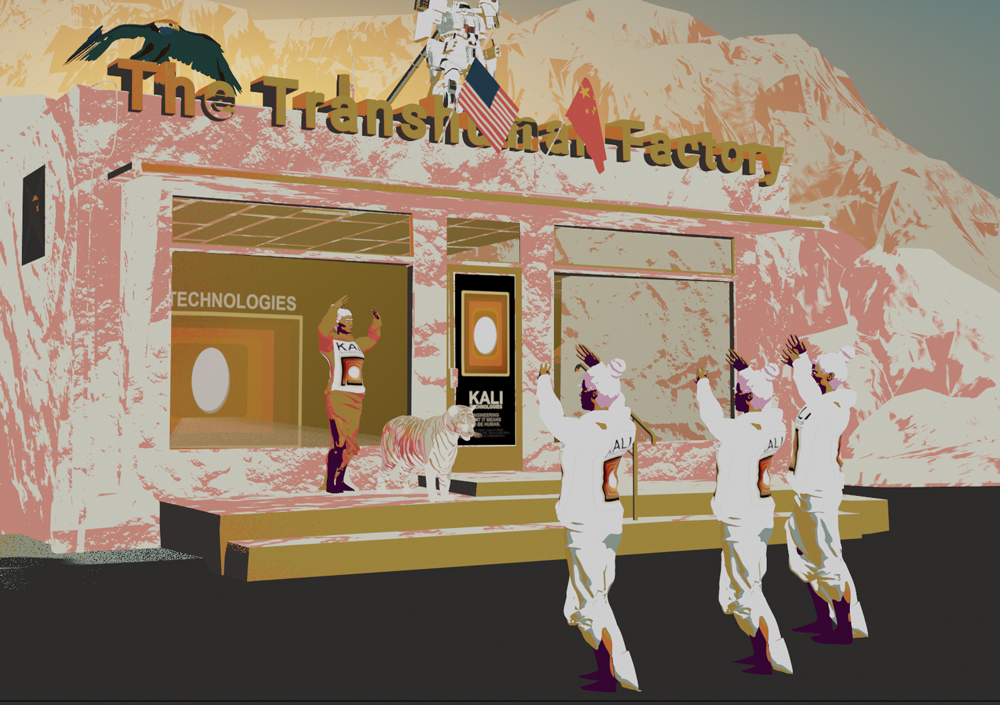
Perfection Without a Self.
The Kali Clones are humanity redesigned according to the values of the machine.
Optimized, adaptable and endlessly reproducible, they offer an escape from the disorder of individuality. No contradiction. No inconvenient body. No unpredictable desire. No uncontrollable difference.
They represent the seductive endpoint of standardization: beings freed from the suffering of being themselves because there is no longer a self to suffer.
Yet something refuses to disappear completely.
A gesture. A glitch. A strange desire. A memory that belongs to no one.
Through the Clones, Mirage asks whether perfection without individuality is evolution—or extinction disguised as improvement.
The Living Mythology
The Horses
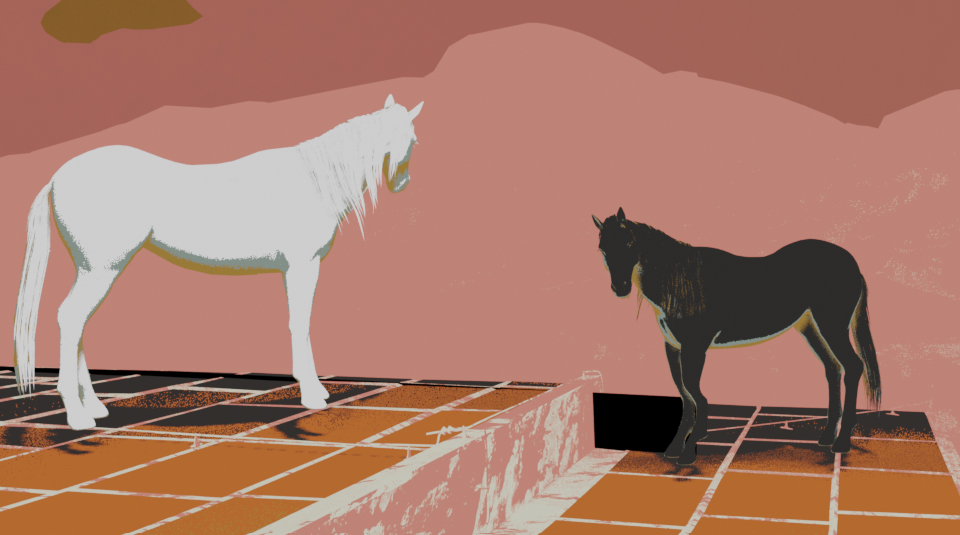
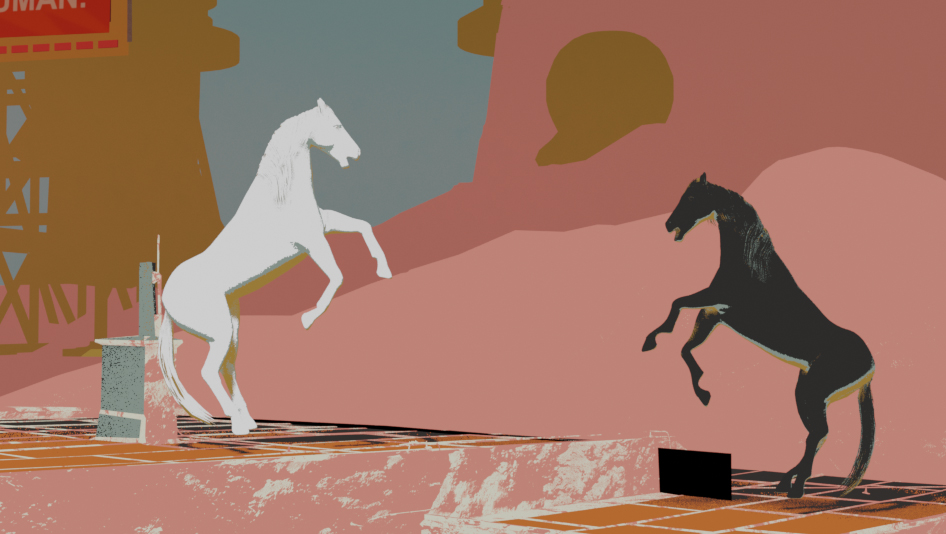
The Horses represent the raw energy of fear.
Fear before It Becomes a Machine.
Before fear becomes ideology, surveillance, domination or war, it moves through the body: muscles tighten, breath shortens, attention narrows and the world divides into safety and threat.
The Horses are not evil. Fear is ancient intelligence, designed to protect life. But when no one holds the reins, protection becomes control and the frightened body begins building frightened worlds.
The Horses remind us that every great machine may begin as a small contraction inside a living being.
The Living Mythology
The Forces Of Life
The Living Mythology
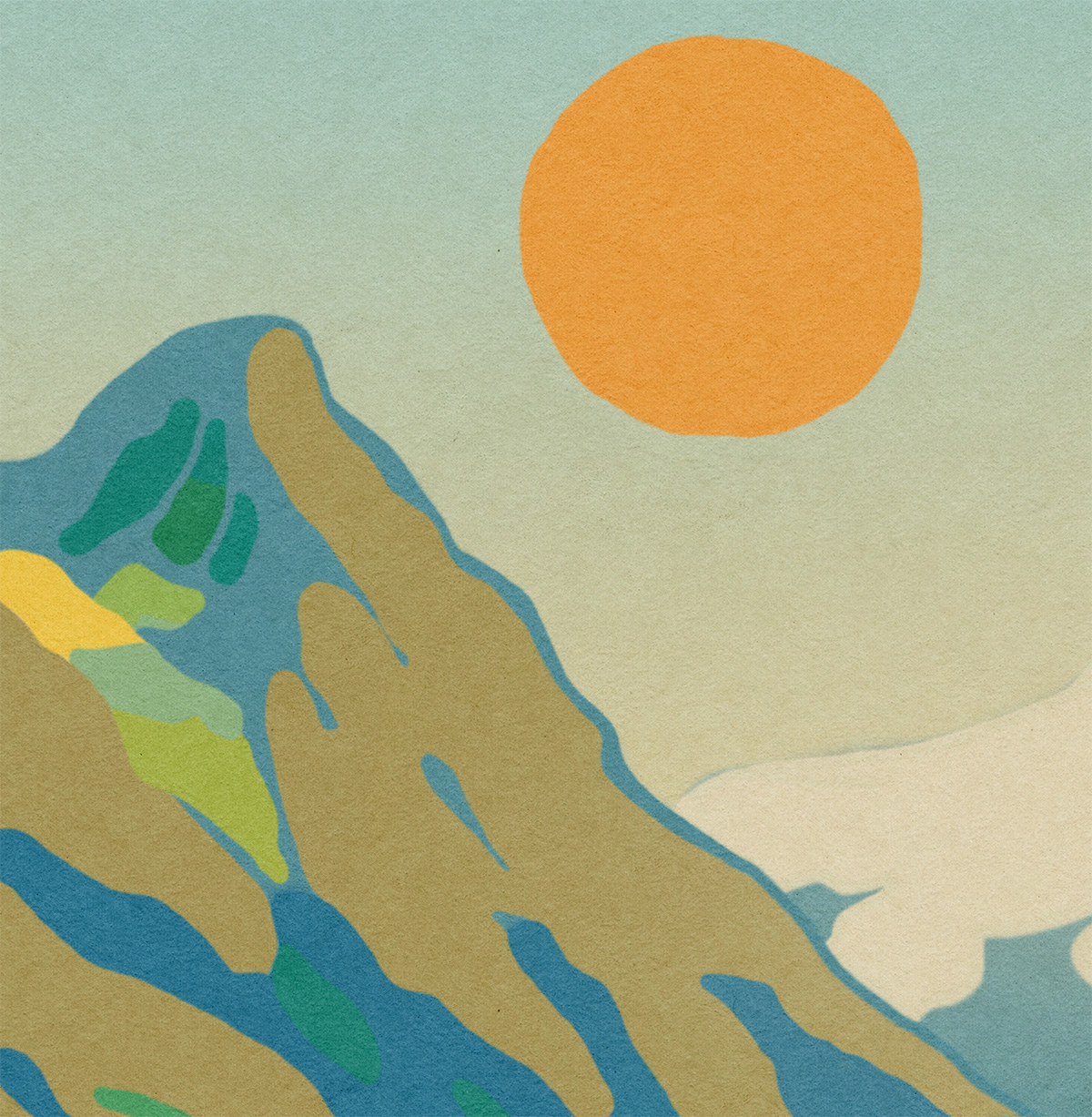
The Hidden Sun
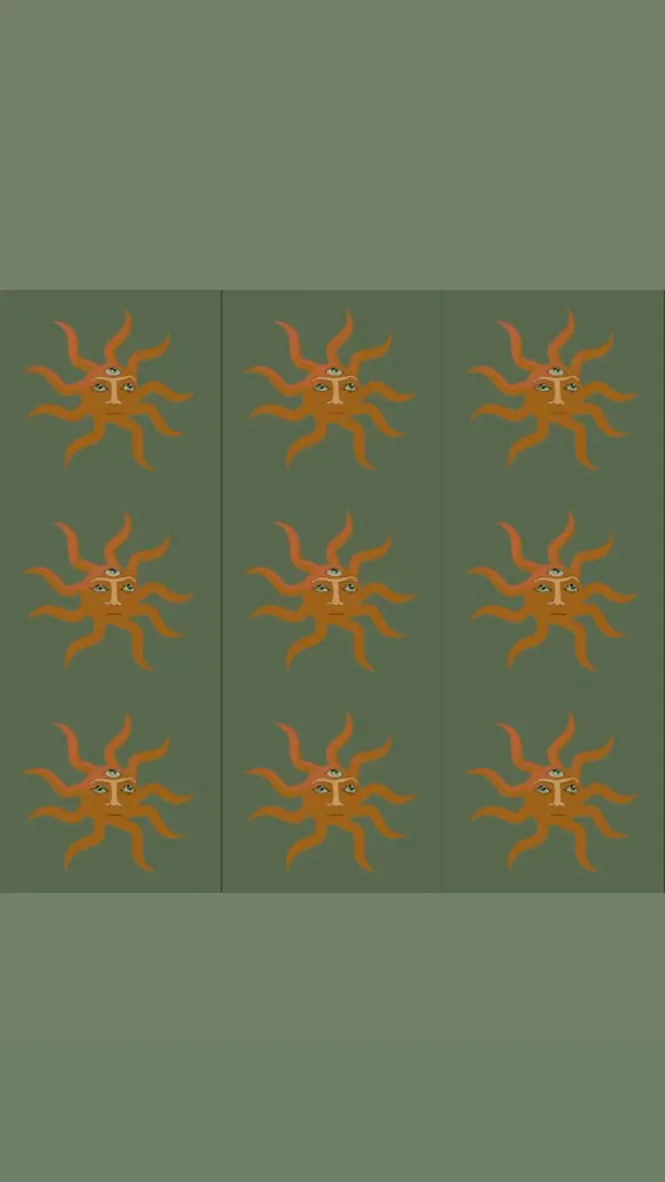
The Life That Never Left
The Hidden Sun is life beneath the machinery.
It is the intelligence through which forests regenerate, wounds close, bodies breathe, creatures cooperate and consciousness reaches toward wholeness. It has not disappeared. It has merely been obscured by fear, noise, speed and the architectures of separation.
The Sun does not conquer the darkness. It reveals that darkness was never the whole sky.
It represents the life-affirming possibility hidden within humanity: relationship, creativity, dignity, regeneration and the ancient knowledge that nothing living exists by itself.
The future does not have to be manufactured from nothing.
Somewhere beneath Double-M, it is already alive.
The Living Mythology
The Wild Cats
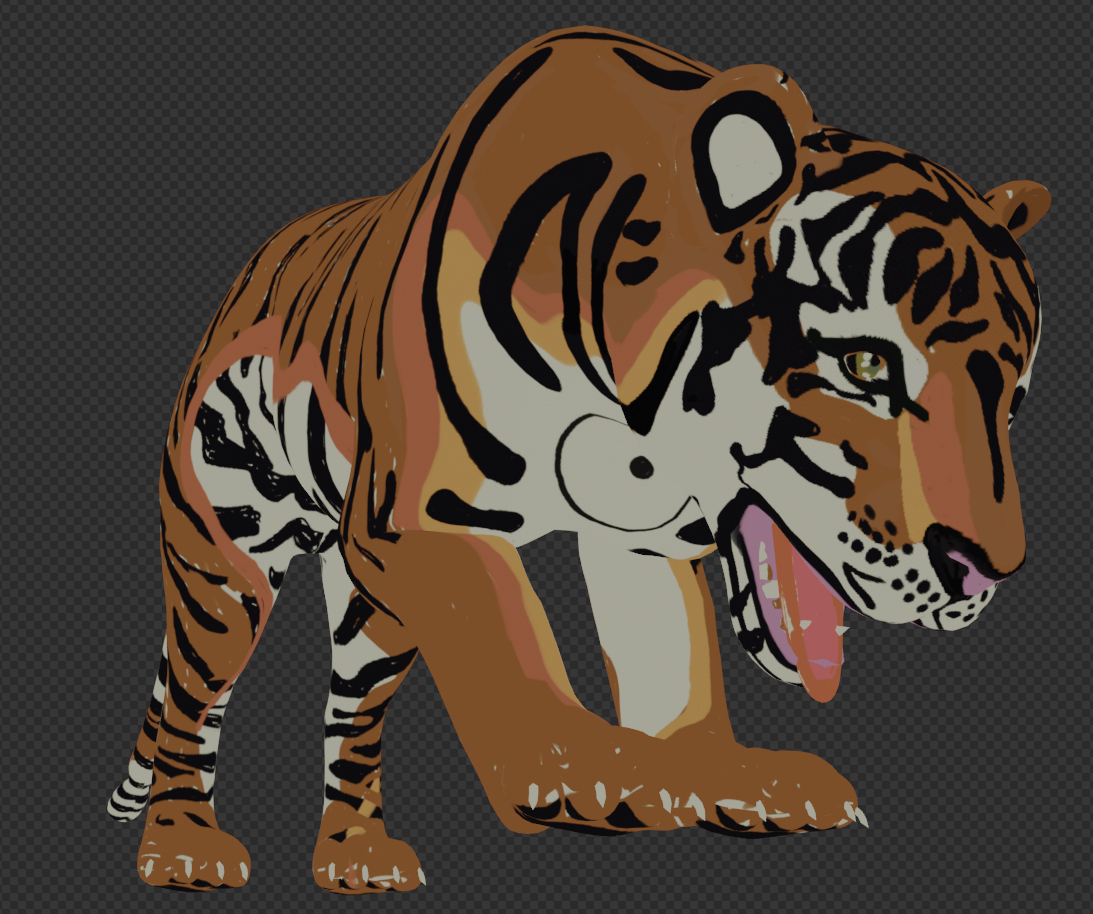
Love That Has Not Been Domesticated.
Love in Mirage is not niceness.
It is the capacity to perceive another being as irreducibly alive.
The wild cats represent relationship that cannot be fully controlled, owned, optimized or made safe.
Love keeps difference.
Love keeps boundaries.
But it refuses to turn difference into dehumanization.
Where fear sees threat, love remains capable of relationship.
Where Double-M abstracts, love makes the living particular again.
Wild things are inconvenient that way.
The Living Mythology
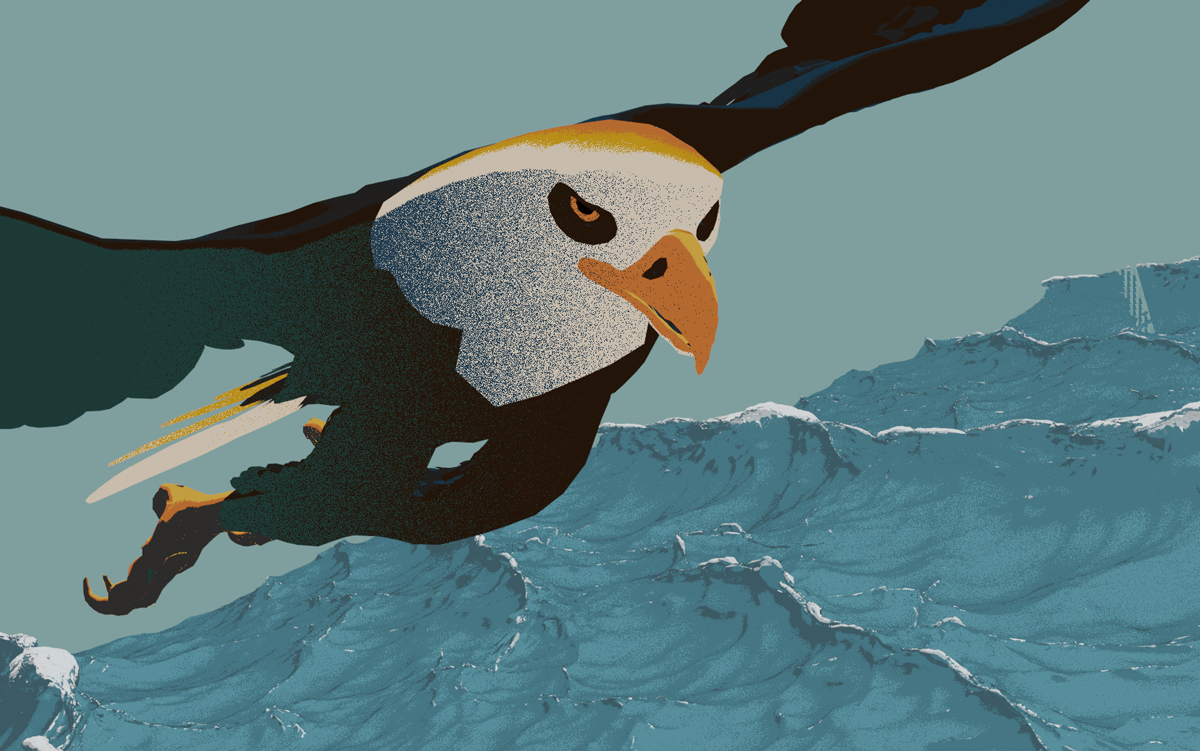
The Birds
Freedom, Or The View Beyond the Board.
The Birds represent freedom—not freedom from relationship, but freedom from the reality we were told was inevitable.
From above, they see the Chessboard as a board. They see the tracks beneath the Train and the waters through which the Shark moves. What appears absolute from inside a system becomes a pattern when seen from another altitude.
The Birds are perspective, imagination and the possibility of departure.
They do not offer a final destination. They remind us that the existing map is not the territory—and that consciousness can learn to fly.
In Mirage, freedom is not unlimited choice.
It is the return of conscious participation.
The ability to respond rather than merely repeat.
And freedom would cease to mean independence from everything. It would mean the capacity to participate consciously in the relationships that constitute us.
The Living Mythology
Death And Transformation
The Living Mythology
Spaghetti Skeletti
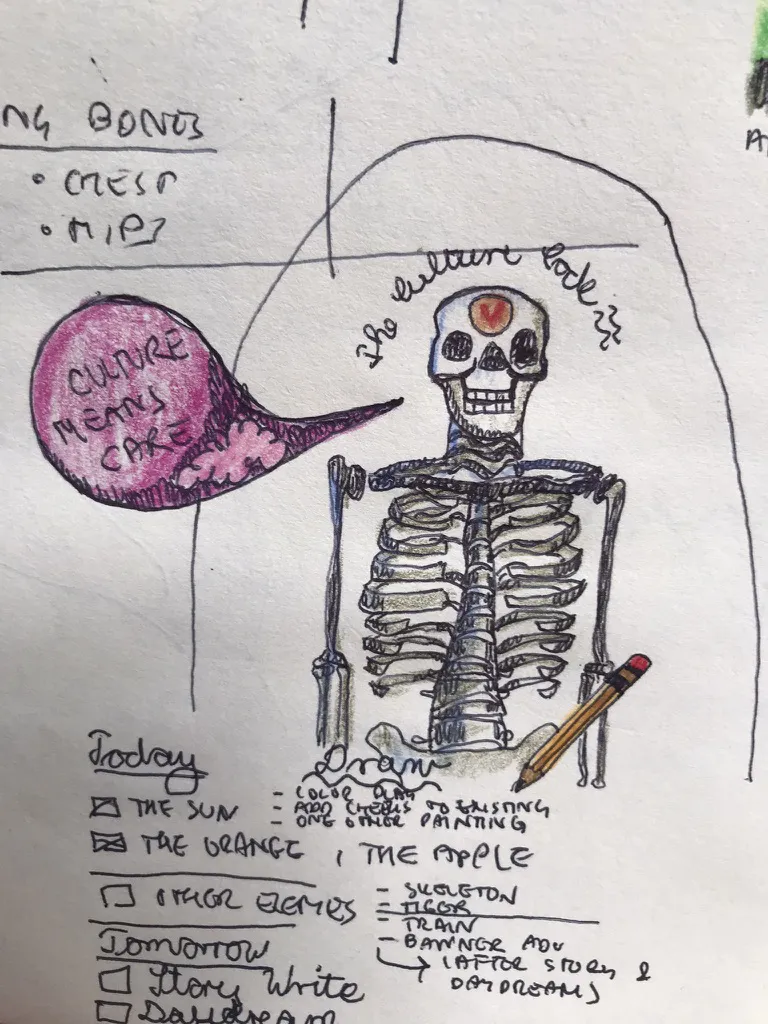
Death. Unfortunately still here.
Spaghetti Skeletti is death without the dignity humans usually give it.
Awkward, persistent and faintly ridiculous, it punctures the fantasy that death can be defeated through seriousness, control or technological grandeur.
It follows the living not as punishment, but as their inseparable companion.
Spaghetti Skeletti reminds us that mortality is not merely life’s design flaw. It is the boundary that gives urgency, tenderness, shape and value to being alive.
Humans build empires to escape death.
The skeleton keeps turning up anyway.
Spaghetti Skeletti is therefore both terror and teacher.
The Living Mythology
Kali
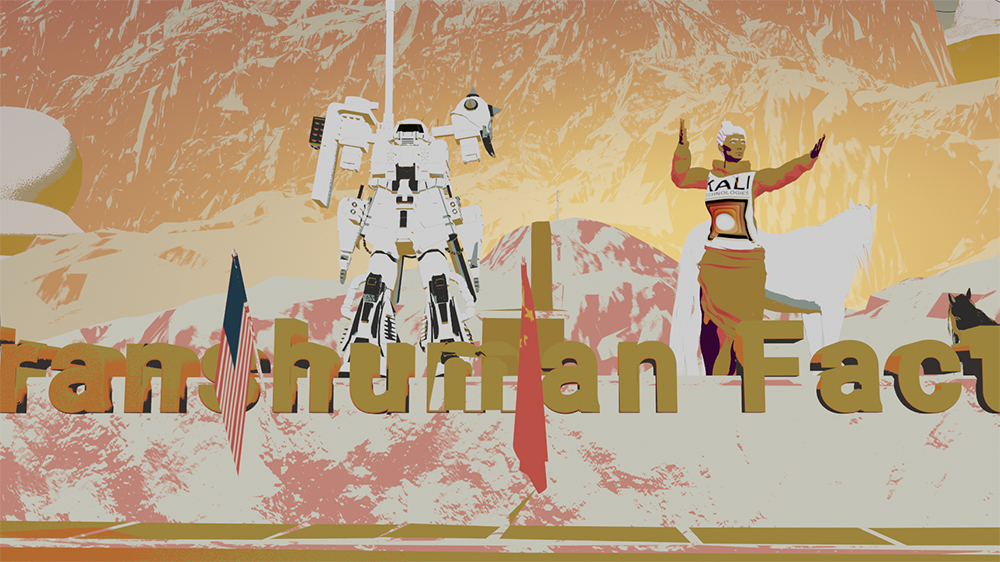
Force.
Kali is energy entering matter.
Action. Transformation. Technology. Intensity. Desire. Power. Creation and destruction.
She is the force that can change reality.
Without awareness, Kali becomes acceleration, domination and power intoxicated with its own capacity.
With awareness, she becomes transformation in service of life.
Kali is not the enemy.
Unconscious Kali is.
The Living Mythology
Shiva
Awareness.
Shiva is stillness inside motion.
Presence. Witnessing. Discernment. Depth. Consciousness.
Where Kali asks, What can be done?
Shiva asks, Can you see clearly enough to know what should be done?
But awareness alone is not enough.
Shiva without Kali can become detachment without consequence.
Kali without Shiva becomes force without wisdom.
The task is their integration:
energy guided by consciousness; consciousness embodied as action.
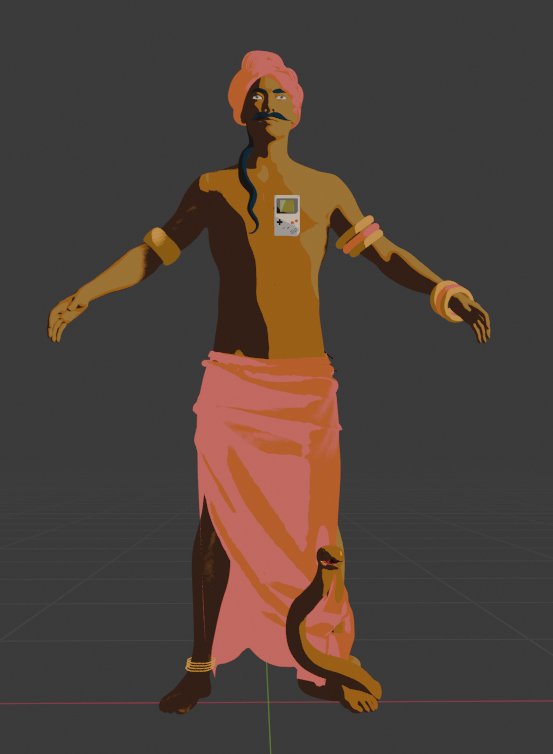
The Living Mythology
Kali And Shiva
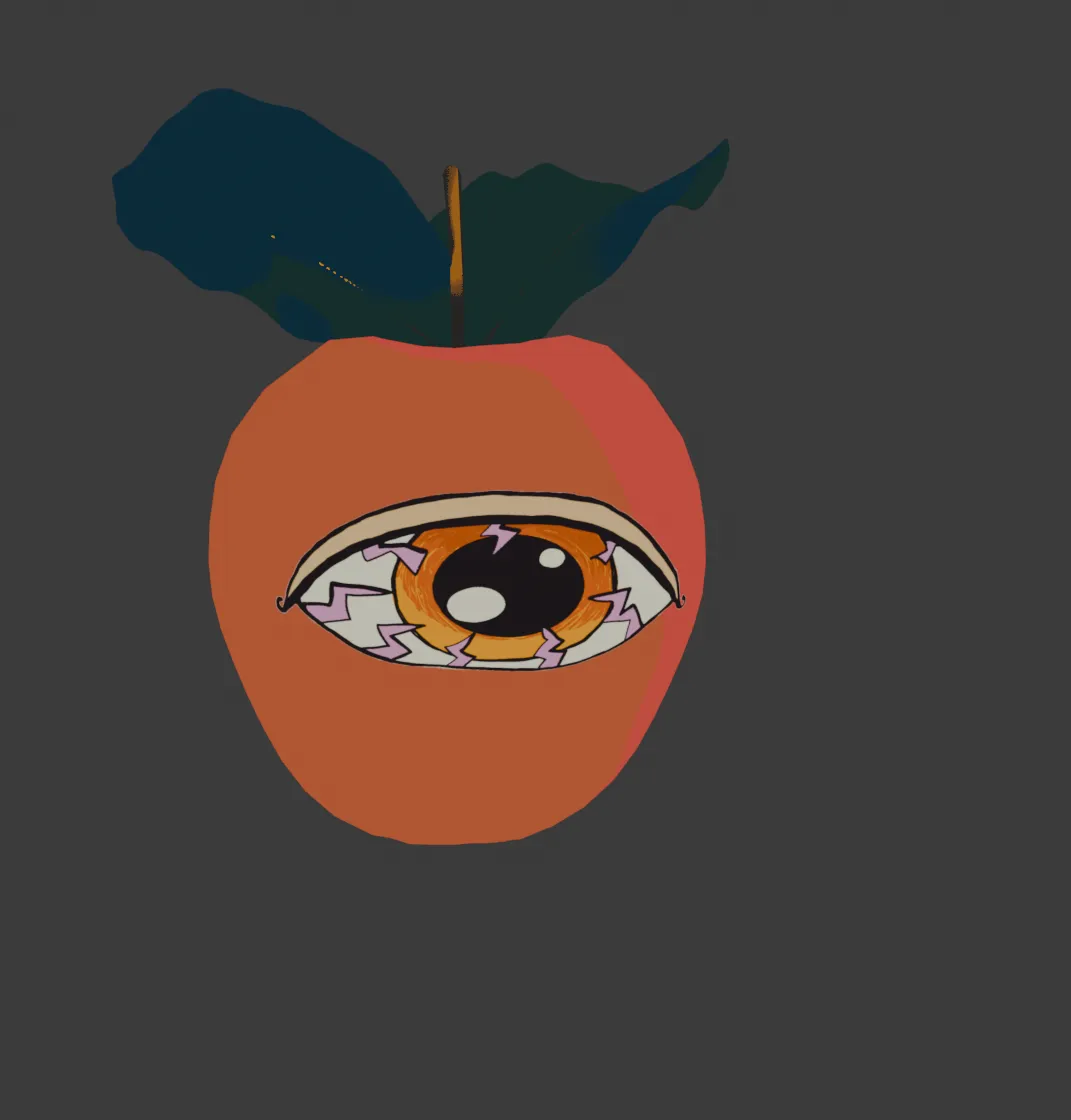
Power Integrated with Awareness
Kali without Shiva becomes force without wisdom.
Shiva without Kali becomes awareness without consequence.
The task is their integration:
Energy guided by consciousness; consciousness embodied as action.
The Living Mythology
The Sun, The Machine And The Second Threshold
None of these figures exists alone.
That is rather the point.
Fear feeds the Machine.
The Machine trains the Clones.
The Clones build the technologies.
Technology amplifies the worldview.
Death waits underneath the desire for control.
Grief restructures what is important.
Love keeps reopening relationship.
Freedom begins when the pattern becomes visible.
Kali provides the power to change.
Shiva provides the awareness to see.
And the Hidden Sun asks beneath all of it:
What kind of life does this produce?
The Second Threshold is not the defeat of one archetype by another.
It is the moment humans become conscious of the forces moving through them.
Not purity.
Not escape.
Participation.
The board remains.
The Machine exists.
Death remains irritatingly employed.
But the human can begin to see the pattern.
And once the pattern is visible, another move becomes possible.
These figures do not live only inside the story.
The Chessboard appears whenever difference becomes opposition. The Shark awakens whenever “enough” becomes impossible. The Horses run through the frightened body. Kali moves through every ending. The Wild Cats return wherever love refuses possession. The Birds rise whenever perception escapes the limits of the given world.
And Mirage watches all of them, trying to understand the creature through whom they move:
the human.
The Morning Of The Earth.
Inspired
Section 8: Enter Mirage AI
Mirage AI is where the cosmology becomes a conversation.
Bring her a question, a fear, a personal pattern, a creative block, a technological concern, or a vision you are building.
She will not give you final truth.
She will help you see the system.